Medical disclaimer: This article is for general information only and is not medical advice. Consult a healthcare professional.
Key takeaways
- A warm cup of tea can be a calming ritual, but tea is not a treatment for anxiety or any medical condition.
- Caffeine can worsen jitters in some people, so caffeine-free herbal teas are common choices for stressful moments.
- Green tea contains L-theanine and caffeine; research on its effects on stress is limited and mixed.
- If anxiety is persistent or affects daily life, talk with a healthcare professional.
A warm cup of tea can be a comforting pause in a stressful day, and many people turn to caffeine-free herbal teas such as chamomile, lemon balm, lavender and rooibos for that purpose. However, tea is not a treatment for anxiety or any medical condition, research on herbal teas and stress is limited and mixed, and caffeine in some teas can make jitters worse. Use tea as a gentle ritual, and talk with a healthcare professional if anxiety is persistent.
This article is general information only and is not medical advice. If you feel unsafe or are in crisis, contact local emergency services or a crisis line right away.
Why a cup of tea feels calming
Part of tea’s calming effect is behavioral. Making tea gives you a few minutes to slow down: you boil water, wait, smell the steam and sip slowly. That pause, the warmth in your hands and the routine itself can lower the pace of your day. For some people, the ritual matters more than the specific herb.
For an overview of tea types and how they differ, start with our complete guide to tea.
Caffeine and anxious feelings
Caffeine is a stimulant. In some people, especially those who are sensitive or who drink a lot, it can cause jitteriness, a faster heartbeat, restlessness and trouble sleeping, which can feel like or worsen anxiety. Black tea, green tea, white tea, oolong, matcha and yerba mate all contain caffeine. The U.S. Food and Drug Administration says about 400 milligrams a day is not generally associated with negative effects for most healthy adults, in its consumer guide Spilling the Beans: How Much Caffeine Is Too Much?, but sensitivity varies widely.
If you notice that tea makes you jittery, try:
- Switching to caffeine-free herbal teas. See our caffeine-free tea list.
- Using less leaf, cooler water and shorter steeping for lower caffeine.
- Avoiding caffeine on an empty stomach or late in the day.
- Reducing gradually instead of stopping suddenly.
Our guide to caffeine in tea vs coffee gives typical amounts for different drinks.
Teas people commonly choose when stressed
| Tea | Taste | Notes |
|---|---|---|
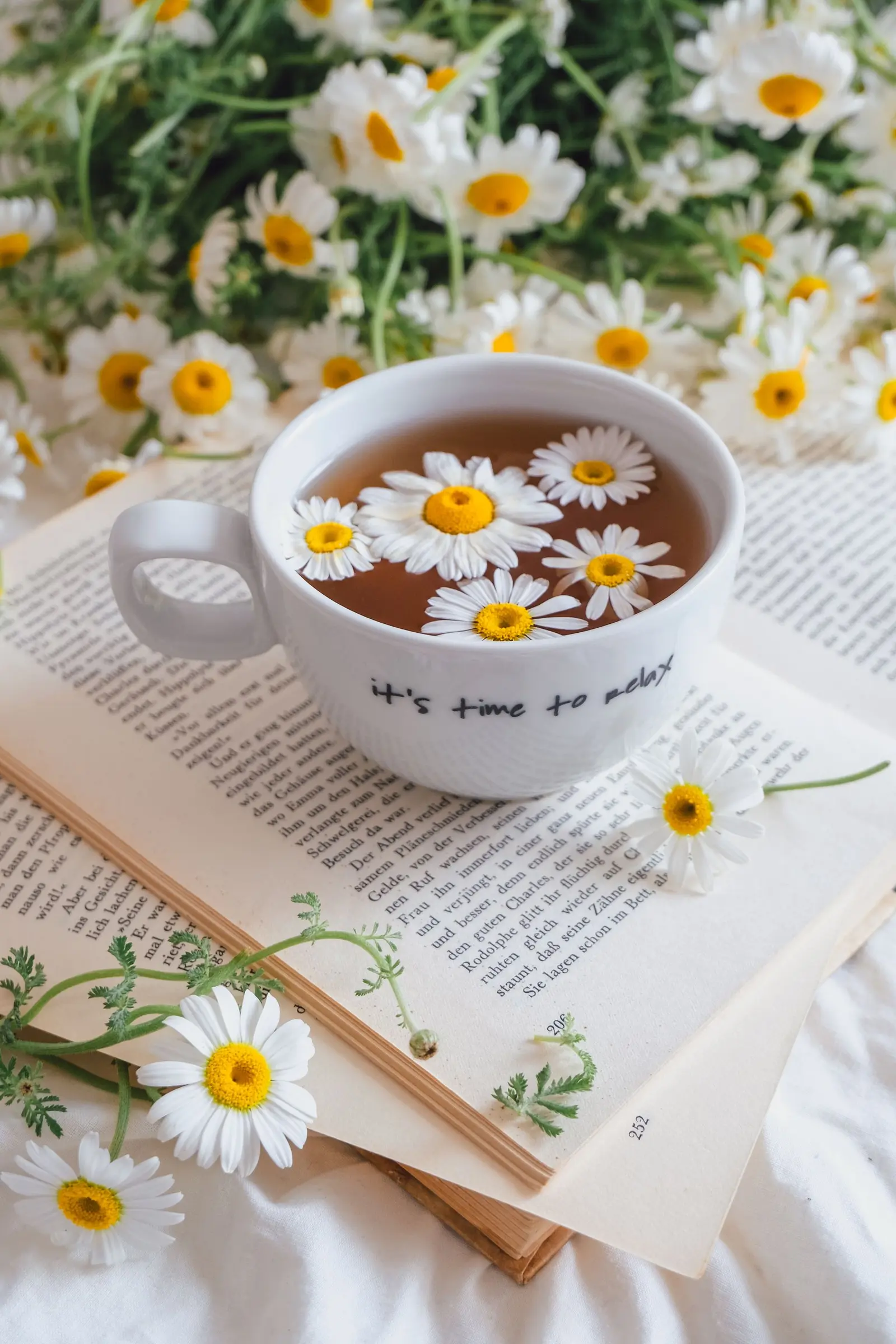
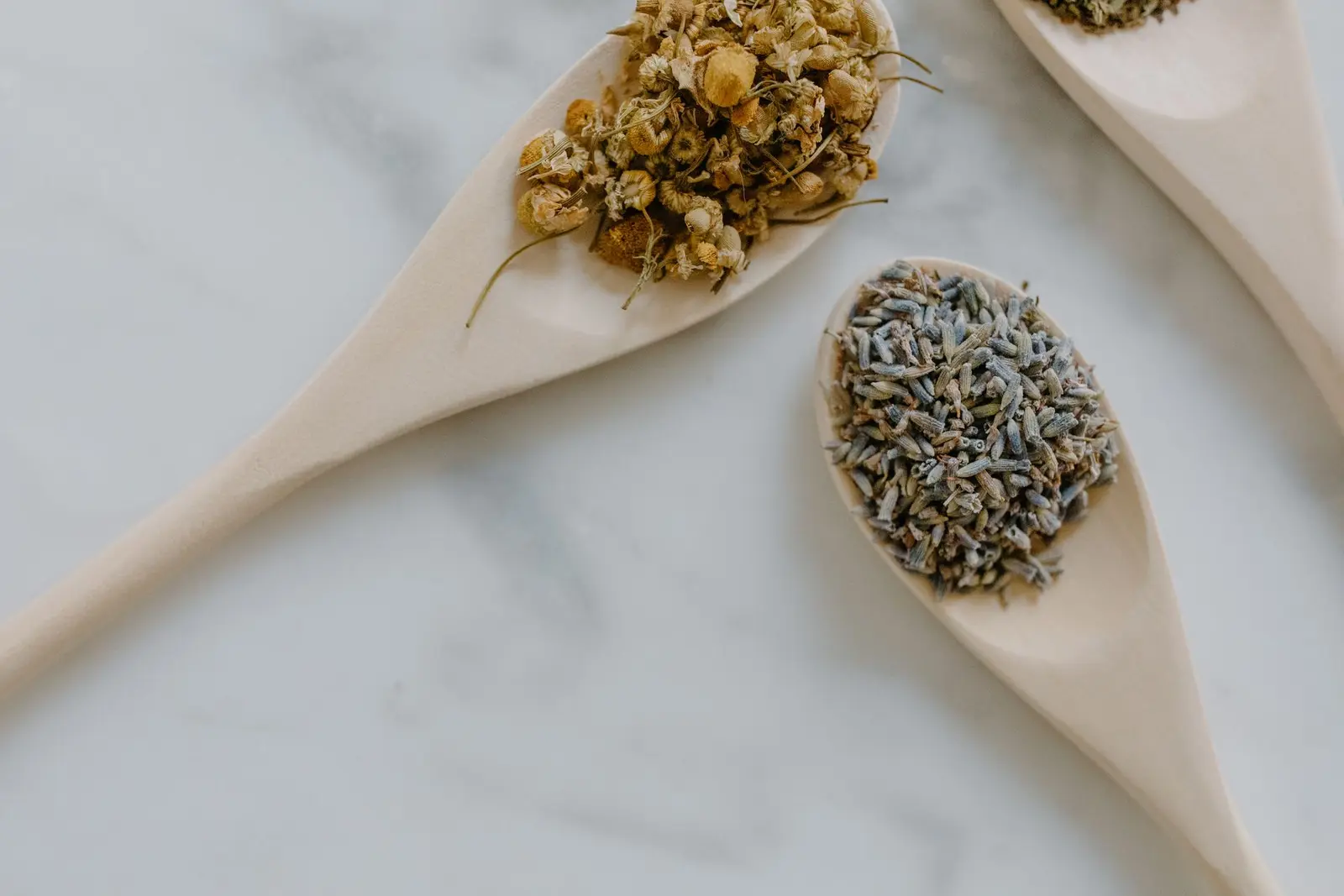
| Chamomile | Floral, gentle | Popular for relaxation; avoid if allergic to daisy-family plants |
| Lemon balm | Light, lemony | Used in calming blends; limited evidence |
| Lavender | Floral, perfumed | Use sparingly, since flavor is strong |
| Rooibos | Sweet, nutty | Naturally caffeine-free and comforting |
| Peppermint | Cool, minty | Refreshing; may aggravate reflux in some people |
| Passionflower | Mild, grassy | Common in evening blends; ask a professional if on medication |
| Green tea (decaf or lower caffeine) | Fresh, grassy | Contains L-theanine; still has some caffeine unless decaf |
| Warm spiced teas (ginger, cinnamon) | Warming | Comforting, but check ingredients for caffeine |
What about L-theanine?
L-theanine is an amino acid found naturally in tea leaves, particularly in shade-grown teas such as matcha and gyokuro. Some small studies have looked at whether L-theanine, alone or with caffeine, affects alertness and relaxation. Findings are limited, and the amounts in a cup of tea are modest. For general information about green tea and health, the National Center for Complementary and Integrative Health is a reliable source. Treat claims that any tea “cures” anxiety with caution.
How to make a calming cup
- Choose a caffeine-free herbal tea that you enjoy.
- Measure: 1 to 2 teaspoons of dried herbs (or 1 tea bag) per 8 oz cup. See how much tea per cup.
- Heat water to a full boil and pour it over the herbs.
- Cover and steep for 5 to 7 minutes, which keeps the aromatic oils in the cup.
- Sit down and sip slowly, without your phone if you can.
For more details on method, read how to brew loose leaf tea.
Build a small stress-relief routine around tea
Tea works best alongside other habits:
- Breathing: take a few slow breaths while the tea steeps.
- Short breaks: two or three minutes away from the screen.
- Movement: a short walk or stretching.
- Sleep routine: consistent bedtimes; see best tea for sleep.
- Limit stimulants: watch caffeine and energy drinks.
- Talk to someone: a friend, family member or professional.
Who should be careful?
Check with a healthcare professional about herbal teas if you:
- Are pregnant, trying to conceive or breastfeeding.
- Take prescription medication, especially sedatives, antidepressants, blood thinners or blood-pressure medicines. Some herbs can interact with medications.
- Have allergies, especially to ragweed or related plants.
- Have a medical condition.
- Plan to give tea to a child.
When to seek professional help
Everyone feels stressed or anxious sometimes. But if your worry is persistent, hard to control, affects your sleep, work or relationships, or comes with physical symptoms such as chest pain or shortness of breath, please contact a healthcare professional. Effective help exists, including therapy and, when appropriate, medication. Tea is a pleasant addition to self-care, not a substitute for care.
Common mistakes
| Mistake | Better approach |
|---|---|
| Drinking strong black tea or matcha when jittery | Choose caffeine-free herbal tea |
| Assuming all “relaxing” blends are caffeine-free | Read ingredients |
| Expecting tea to treat anxiety | Use it as a calming ritual and seek professional help when needed |
| Drinking large amounts of one herb daily | Vary your teas and ask a professional |
| Ignoring allergies and medications | Check first |
A five-minute tea pause you can use today
When the day feels heavy, a short, structured pause works better than drinking tea at your desk while you keep working. Try this: fill the kettle and, while it heats, stand up and stretch your shoulders and neck. Measure your tea slowly. Pour the water and set a timer for the steeping time. While it steeps, close your eyes for a minute and breathe in for four counts and out for six. Notice the smell of the tea. When the timer rings, carry the cup to a chair away from your screen and sip without multitasking. Many people find that even five minutes like this resets their pace. The tea matters less than the pause, so pick any caffeine-free blend you enjoy.
Tea and caffeine timing
If you do drink caffeinated tea, timing helps. Many people find that having caffeine with food, rather than on an empty stomach, feels gentler. Others notice that caffeine after midday affects their sleep and next-day mood. A simple experiment is to keep a short note for a week with what you drank, when, and how you felt an hour later. If a pattern appears, such as jitters after matcha but not after a mild white tea, adjust accordingly. Our guides on matcha vs green tea and sencha vs matcha explain why matcha tends to deliver more caffeine per serving.
Summary
A warm, caffeine-free cup of tea can be a soothing pause. Chamomile, lemon balm, lavender and rooibos are popular choices, but none is a treatment for anxiety, and caffeine in other teas can make some people feel more on edge. Pay attention to how you feel, ask a professional about herbs if you take medicine or are pregnant, and seek help if anxiety is persistent. Explore more in the Tea & Wellness hub.
Frequently Asked Questions
What tea is best for anxiety?
There is no single best tea. People often choose caffeine-free herbal teas such as chamomile, lemon balm, lavender or rooibos for a calming ritual. Evidence that any tea treats anxiety is limited, so use tea as a comforting habit rather than a treatment.
Can tea make anxiety worse?
It can if it contains caffeine. Black tea, green tea, oolong, matcha and mate contain caffeine, which can cause jitters, a racing heart or trouble sleeping in sensitive people. Choosing caffeine-free herbal teas or lowering the amount may help.
Does green tea help with stress?
Green tea contains L-theanine, an amino acid sometimes associated with relaxation, alongside caffeine. Studies are small and results are mixed, so it should not be relied on to manage stress.
Is chamomile tea safe for anxiety?
Chamomile is widely used and generally well tolerated, but people allergic to plants in the daisy family, and those who are pregnant or taking certain medications, should check with a healthcare professional first.
When should I see a doctor about anxiety?
If worry or stress is persistent, intense, interferes with sleep, work or relationships, or comes with physical symptoms such as chest pain, contact a healthcare professional. If you feel unsafe or in crisis, seek urgent help from local emergency services or a crisis line.
Want the bigger picture? Read our complete guide to tea or explore more in Tea & Wellness.