Medical disclaimer: This article is for general information only and is not medical advice. Consult a healthcare professional.
Key takeaways
- Caffeine-free herbal teas such as chamomile, lemon balm and lavender are popular evening drinks.
- A calming routine matters as much as the herb: a warm drink, low light and a regular bedtime.
- Research on herbal teas and sleep is limited and mixed, so treat them as a pleasant habit, not a treatment.
- Avoid caffeinated teas late in the day, and check with a healthcare professional about herbs if you are pregnant, take medication or have a health condition.
Chamomile, lemon balm, lavender and passionflower are among the most popular caffeine-free teas for the evening. They do not contain caffeine, and many people find that sipping a warm, soothing cup before bed helps them wind down. That said, research on whether any herbal tea improves sleep is limited and mixed, so the habit may matter as much as the herb.
This article is general information, not medical advice. See the note below and speak with a healthcare professional if you have trouble sleeping.
Why people drink tea before bed
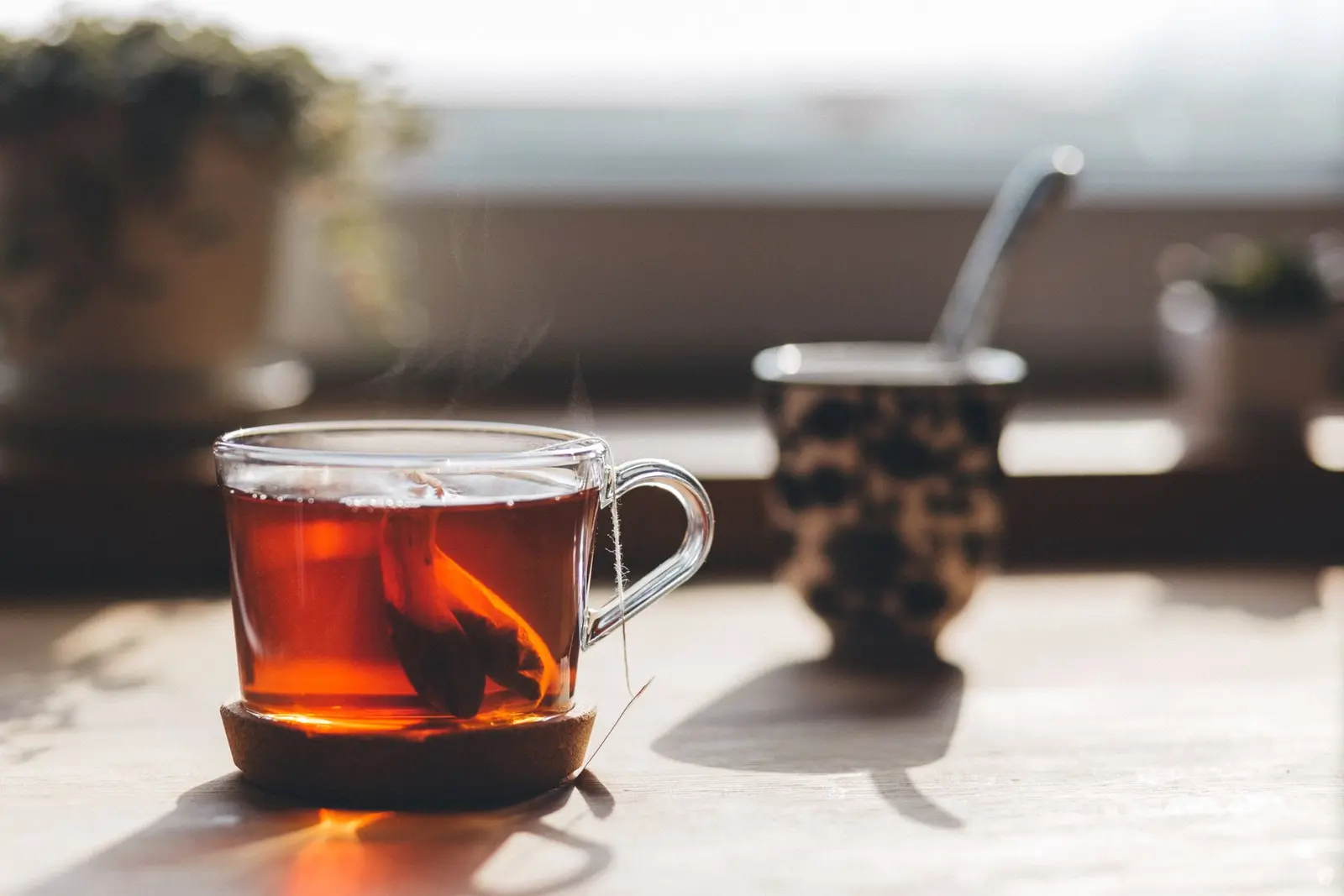
A warm drink is a simple signal that the day is ending. Many sleep experts recommend consistent bedtime routines, and a small ritual such as making tea can become part of one. Sipping slowly with dim lights and no screens helps you slow down, which may be more important than any single ingredient.
If you want a general introduction to tea types first, see our complete guide to tea.
What to look for in a bedtime tea
- No caffeine. Choose a pure herbal tea or a clearly labeled caffeine-free blend. Check the ingredients, because some herbal blends include green tea, yerba mate or guarana. Our caffeine-free tea list helps you identify them.
- Gentle flavors. Calming blends are usually floral, mild or lightly sweet.
- Simple ingredients. A short ingredient list makes it easier to know what you are drinking.
- Low sugar. If you add sweetener, keep it modest.
Teas people commonly use in the evening
| Tea | Flavor | Notes |
|---|---|---|
| Chamomile | Floral, apple-like | The classic bedtime tea; avoid if allergic to daisy-family plants |
| Lemon balm | Lemony, light | Popular in calming blends |
| Lavender | Floral, perfumed | Use a small amount, since the flavor is strong |
| Passionflower | Mild, grassy | Often in sleep-blend teas |
| Valerian root | Earthy, strong smell | Used in some blends; talk to a professional first |
| Peppermint | Cool, minty | Caffeine-free and refreshing, but can relax stomach muscles, which may bother some people with reflux |
| Rooibos | Sweet, nutty | Naturally caffeine-free and mellow |
| Honeybush | Honey-like | Mild and soothing |
| Decaf green or black tea | Varies | Contains a small amount of caffeine |
Chamomile
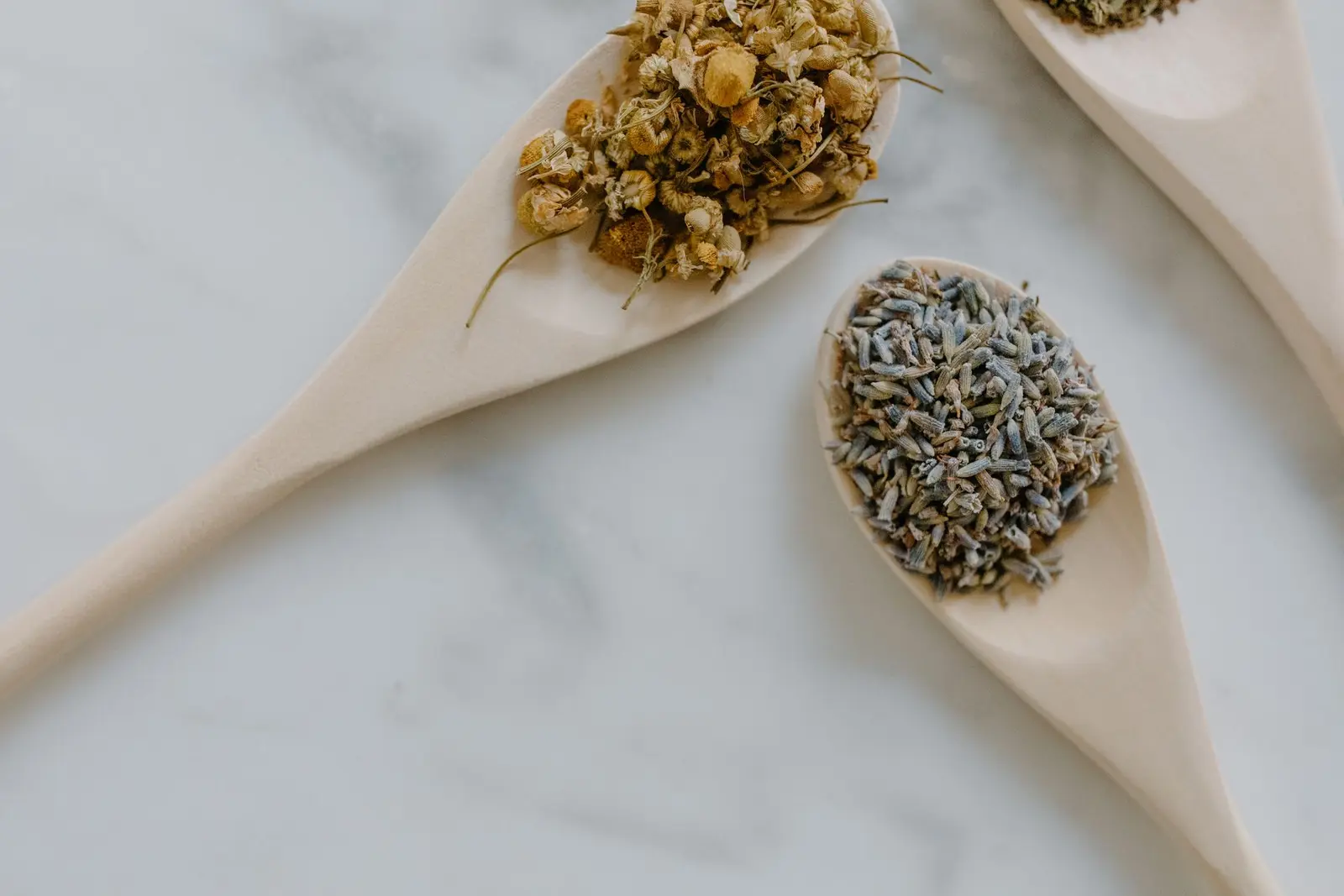
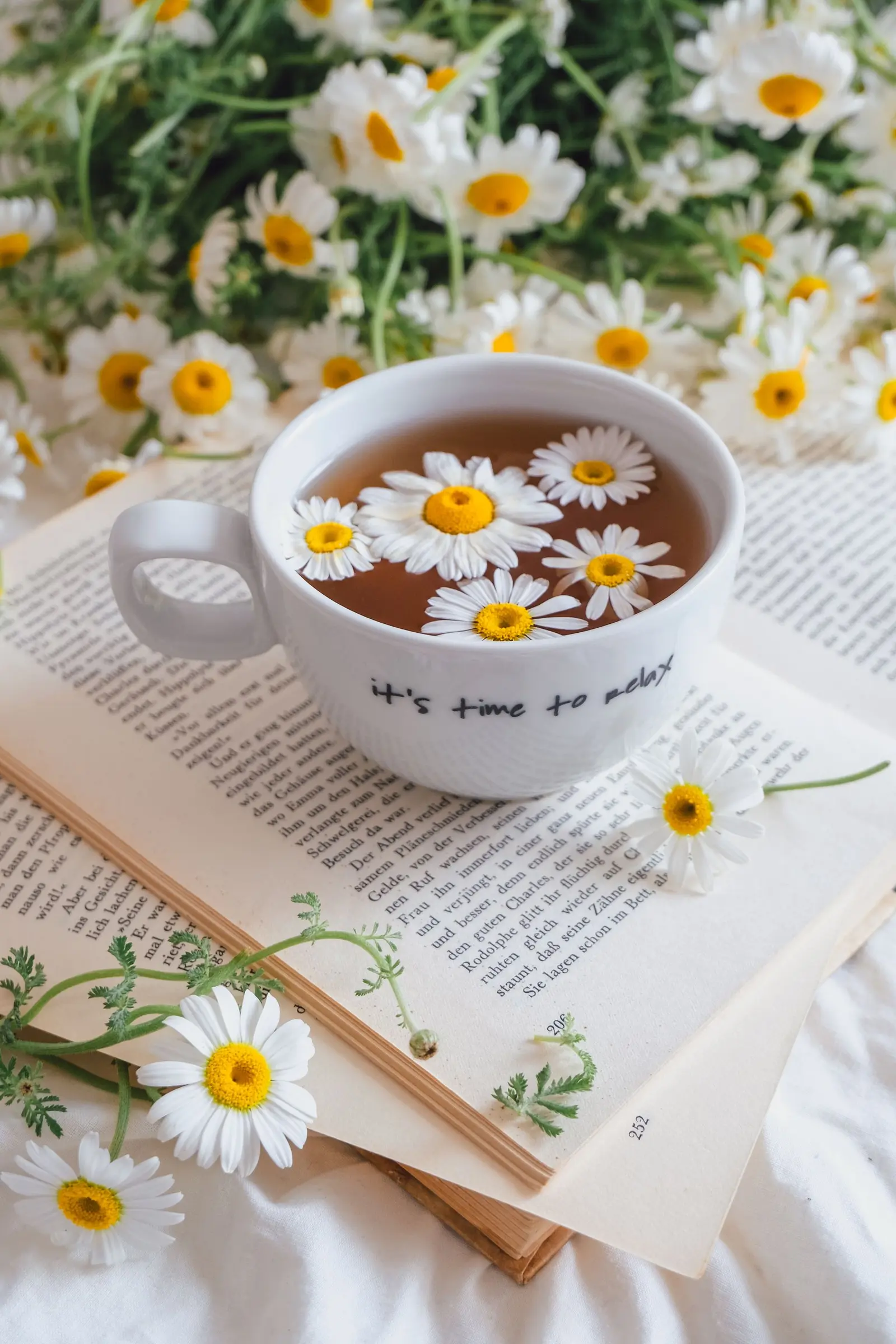
Chamomile is the most recognized tea for relaxation. It has a gentle floral taste. Some small studies have explored its effects on sleep quality and anxiety, but results are not conclusive. If you have a ragweed or daisy-family allergy, check with a healthcare professional first.
Lemon balm
Lemon balm is a mint-family herb with a mild lemony taste. It is used in many traditional calming blends. It is generally well tolerated, but evidence for sleep benefits is still limited.
Lavender
Lavender adds a floral aroma, though too much can taste soapy. Use culinary lavender and keep it light.
Valerian
Valerian root has a distinctive earthy smell and is the subject of some research, which has produced mixed results. It can interact with sedatives, alcohol and some medications. Talk to a healthcare professional before using it, particularly if you are pregnant, nursing or on medication.
How to brew a calming evening tea
Herbal teas are best brewed with boiling water and steeped for a while.
- Use 1 to 2 teaspoons of dried herbs (or 1 tea bag) per 8 oz (240 ml) cup.
- Pour just-boiled water, about 212°F (100°C), over the herbs.
- Cover and steep for 5 to 7 minutes.
- Strain and sip slowly.
For more details, see how to brew loose leaf tea and how much tea per cup.
Make it part of a routine
Tea alone will not fix a sleep problem. These habits support a good wind-down:
- Keep a regular bedtime and wake time.
- Dim the lights an hour before bed.
- Put away phones and screens.
- Keep your bedroom cool, dark and quiet.
- Avoid heavy meals late in the evening.
- Limit alcohol, which can disrupt sleep.
- Get daylight and exercise during the day.
If you wake up to use the bathroom, try drinking your tea earlier in the evening.
Caffeine and sleep
Caffeine is a stimulant, and its effects can last for several hours. Black, green, white, oolong and matcha all contain caffeine. If you are sensitive, avoid them in the afternoon and evening. For general numbers on tea versus coffee, see caffeine in tea vs coffee. For general information about caffeine from a trusted source, see the Mayo Clinic’s article on caffeine.
Decaffeinated tea still contains a small amount of caffeine. A naturally caffeine-free herbal tea is a better choice if you want none.
Who should be careful?
Talk with a healthcare professional before drinking herbal teas regularly if you:
- Are pregnant or breastfeeding.
- Take prescription medications, especially sedatives, blood thinners or blood-pressure drugs.
- Have allergies, particularly to ragweed or daisy-family plants.
- Have a medical condition, including liver or kidney problems.
- Are giving tea to children.
When to see a professional
Occasional bad nights are common. If you have persistent trouble falling or staying asleep, loud snoring, gasping, excessive daytime sleepiness or other symptoms, contact a healthcare provider. Tea is not a substitute for medical evaluation.
A simple evening tea blend
For a mild, pleasant blend you can make at home, mix:
- 2 parts dried chamomile flowers
- 1 part dried lemon balm
- ½ part dried lavender buds
Use about 1 tablespoon of the mix per 8 oz cup, steep for 5 to 7 minutes, and strain. Store the blend in an airtight container, as explained in how to store loose leaf tea.
What about warm milk, honey or other add-ins?
A little honey or warm milk is a traditional comfort for many people. They are not required, and sugar late at night is not ideal for everyone. Choose what you enjoy.
Common mistakes
| Mistake | Better approach |
|---|---|
| Drinking caffeinated tea at night | Choose herbal, caffeine-free options |
| Assuming “herbal” means caffeine-free | Read the ingredients |
| Drinking a large mug right before bed | Have it earlier, and sip slowly |
| Relying on tea alone | Build a full bedtime routine |
| Ignoring allergies or medications | Ask a healthcare professional |
A simple wind-down ritual with tea
If you want to use tea as a cue for sleep, treat it like a ritual. Choose a time, such as 45 to 60 minutes before bed, and make the same tea each night. Use a favorite mug, dim the lights and sit somewhere comfortable. Sip slowly without screens. The repetition teaches your body that this is the start of the evening’s slow-down. Keep the portion modest, about 8 oz, so that you are not waking for the bathroom.
If you share your home with others, a pot of herbal tea can become a family ritual. For children, check with a pediatrician before giving herbal teas, since some herbs are not recommended for young children.
Tea alternatives for people avoiding herbs
Some people prefer not to use herbal tea at all because of allergies, medication or pregnancy. Warm water with lemon, warm milk, or a small cup of decaf rooibos are other gentle options. Rooibos is not a herb that people typically associate with sedation, but it is a mild, naturally caffeine-free tea that can make a calming evening drink. Our caffeine-free tea list offers further ideas, and our complete guide to tea explains how these drinks relate to true tea.
Keeping a short sleep and tea diary
If you want to learn what works for you, jot down a few notes for two weeks: what you drank, what time, when you went to bed, and how you felt the next day. Include caffeine from all sources and note any evening alcohol. Patterns often emerge, such as noticing that even a mid-afternoon green tea affects your sleep. Bring the diary to a healthcare provider if sleep problems persist, since it gives them useful information.
Summary
Chamomile, lemon balm, lavender, rooibos and similar teas make pleasant, caffeine-free evening drinks. Evidence for sleep effects is limited, but the ritual of a warm cup can help you relax. Be careful with herbs if you are pregnant, take medications or have a medical condition. For more calming options, browse the Herbal Tea hub.
Frequently Asked Questions
What tea helps you sleep?
Many people choose caffeine-free herbal teas such as chamomile, lemon balm, lavender, passionflower or valerian root before bed. Evidence that they improve sleep is limited, but a warm, caffeine-free drink can be a relaxing part of a bedtime routine.
Is chamomile tea good for sleep?
Chamomile is one of the most popular bedtime teas. Some small studies have looked at its effects on sleep quality, but results are mixed. It is generally considered gentle, but people allergic to plants in the daisy family should be careful.
Can I drink green tea or black tea before bed?
Both contain caffeine, which can interfere with sleep in some people, especially if consumed late in the day. If you drink them, do so earlier, or choose decaf or herbal options in the evening.
How long before bed should I drink tea?
Many people drink a cup 30 to 60 minutes before bed so they have time to use the bathroom, since drinking a lot of liquid right before sleeping can interrupt rest. Experiment to find what works for you.
Is valerian tea safe?
Valerian is a herb sometimes used for sleep, but it is not suitable for everyone, and it may interact with medications or alcohol. Speak with a healthcare professional before using it, especially if you are pregnant or taking medicines.
Want the bigger picture? Read our complete guide to tea or explore more in Herbal Tea.