Key takeaways
- Matcha is shade-grown green tea ground into a fine powder and consumed whole; regular green tea is steeped and the leaves are removed.
- Because you drink the whole leaf, matcha delivers more caffeine and plant compounds per serving than a typical cup of steeped green tea.
- Matcha tastes rich, grassy and umami; steeped green tea is lighter and more varied.
- Matcha usually costs more per serving and needs a few simple tools.
Matcha is a type of green tea made from shade-grown leaves that are ground into a fine powder and whisked into water, so you drink the whole leaf. Regular green tea is made from leaves that are dried and steeped, then removed. That difference explains why matcha tastes richer and more savory, and usually contains more caffeine per serving than steeped green tea.
This guide compares how they are grown, made, tasted and used, so you can decide which one fits your routine.
What is green tea?
Green tea is tea made from Camellia sinensis leaves that are heated soon after harvest, by steaming (common in Japan) or pan-firing (common in China), to stop the leaves from oxidizing. This keeps the leaf green and preserves a fresh, vegetal flavor. The dried leaves are steeped in hot water and removed, leaving the infusion. For a general overview, see our complete guide to tea.
Types include sencha, gyokuro, Dragon Well (Longjing), gunpowder, jasmine green and many more. Each has its own flavor and ideal brewing temperature. See water temperature for green tea.
What is matcha?
Matcha is a powdered Japanese green tea. Its distinctive features come from how it is grown and processed:
- Shade growing. Roughly three to four weeks before harvest, tea bushes are covered to reduce sunlight. This increases chlorophyll and amino acids, which gives matcha its deep green color and savory sweetness.
- Careful harvest. Young, tender leaves are picked.
- Steaming and drying. The leaves are steamed and dried, similar to other Japanese green teas.
- De-stemming and de-veining. Stems and veins are removed, leaving a leaf material called tencha.
- Stone-grinding. Tencha is ground into a very fine powder.
You can read more about it at the Matcha entry on Wikipedia.
Matcha vs green tea: side by side
| Feature | Matcha | Steeped green tea |
|---|---|---|
| Form | Fine powder | Whole or broken dried leaves |
| Growing | Shade-grown before harvest | Mostly grown in sun (some, like gyokuro, shaded) |
| Preparation | Whisked into water or milk; entire leaf consumed | Leaves steeped, then removed |
| Flavor | Rich, grassy, umami, slightly sweet; can be bitter if poor quality | Lighter, can be grassy, nutty, floral or toasty depending on type |
| Color | Vivid green | Pale green to golden |
| Caffeine per serving | Usually higher | Usually lower |
| Cost | Higher per serving | Lower per serving |
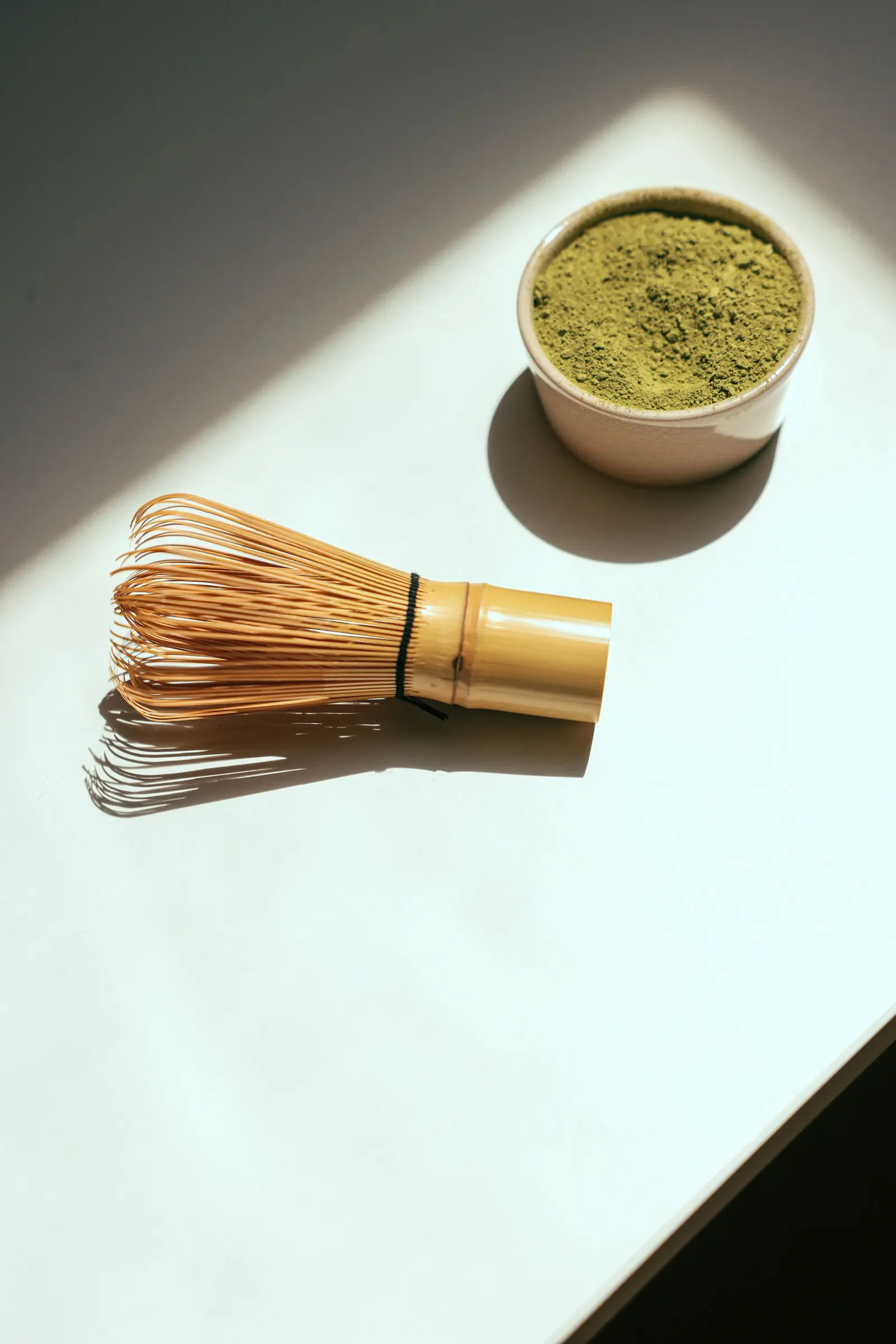
| Equipment | Whisk, bowl or frother, sifter | Cup, infuser or teapot |
| Re-steeping | No | Often 2–3 infusions |
| Uses | Drinks, lattes, baking, smoothies | Hot and iced tea |
Taste and texture
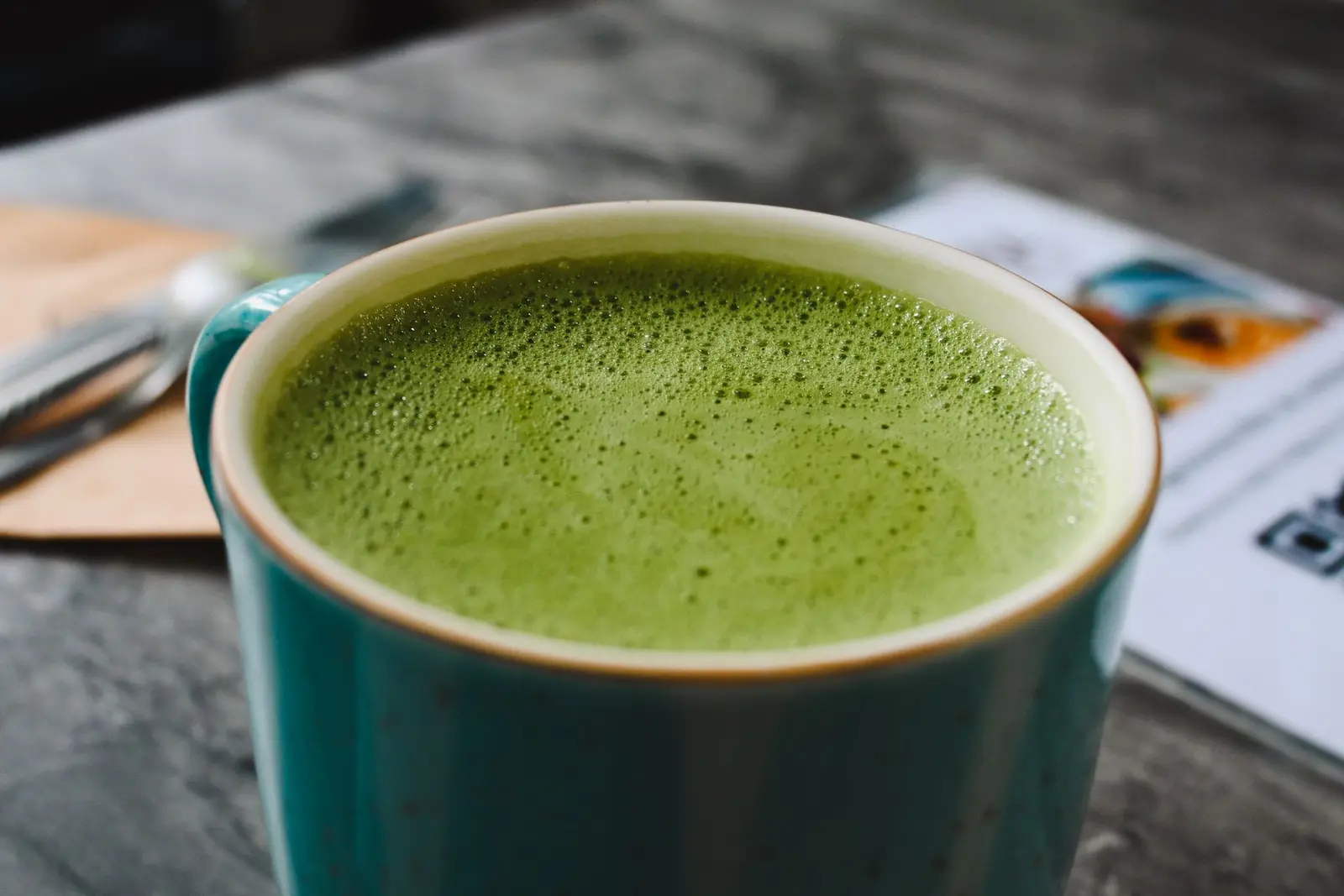
Matcha tastes thick and full, with a creamy mouthfeel and a savory “umami” quality. High-quality ceremonial matcha is smooth with a natural sweetness. Lower-grade matcha is often more bitter and is typically used for lattes and baking.
Steeped green tea is thinner and more varied. Japanese steamed teas can taste marine and vegetal, Chinese pan-fired teas can be nutty or toasty, and jasmine green is floral. Brewing too hot or too long makes any green tea bitter, a point covered in water temperature for green tea.
Caffeine in matcha vs green tea
Matcha generally delivers more caffeine per serving than steeped green tea because you consume the entire leaf rather than only what dissolves in the water. Shade growing also tends to raise the caffeine and theanine content of the leaf. The actual amount depends on how much powder you use, the grade and your brewing method.
Steeped green tea contains caffeine too, but typically less per cup, especially with short or cooler steeps. For general comparisons with coffee, see caffeine in tea vs coffee.
If you are sensitive to caffeine, start with a smaller serving and observe how you feel.
Health claims: what to know
Both matcha and green tea contain naturally occurring plant compounds, including catechins, and a calming amino acid called L-theanine. They are often discussed for their potential benefits, and some sources describe research interest in these compounds. But research findings can be preliminary or mixed, and no tea cures or treats diseases.
For general, reputable information on green tea, see the National Center for Complementary and Integrative Health’s overview of green tea. If you have a medical condition or take medications, talk to a healthcare professional before changing your habits.
Because you consume the whole leaf with matcha, quality and sourcing matter. Choose products from reputable sellers who identify the origin and harvest.
How to prepare each
Preparing matcha
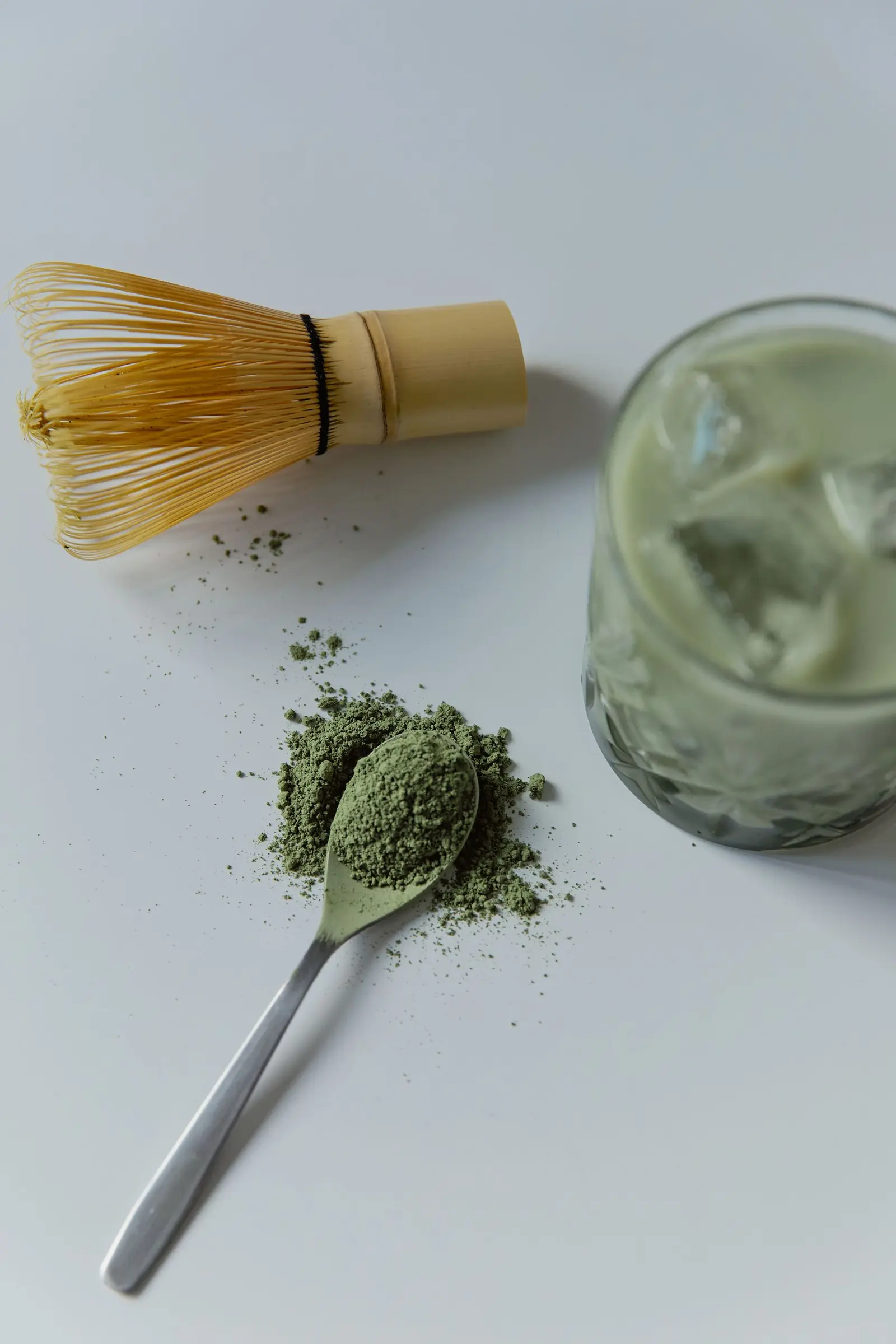
- Sift about 1 teaspoon (2 g) of matcha into a bowl.
- Add about 2 to 3 oz (60 to 90 ml) of 175°F (80°C) water.
- Whisk in a zigzag motion until frothy.
- Drink it directly, or add milk for a latte.
See our full recipe: how to make a matcha latte.
Preparing steeped green tea
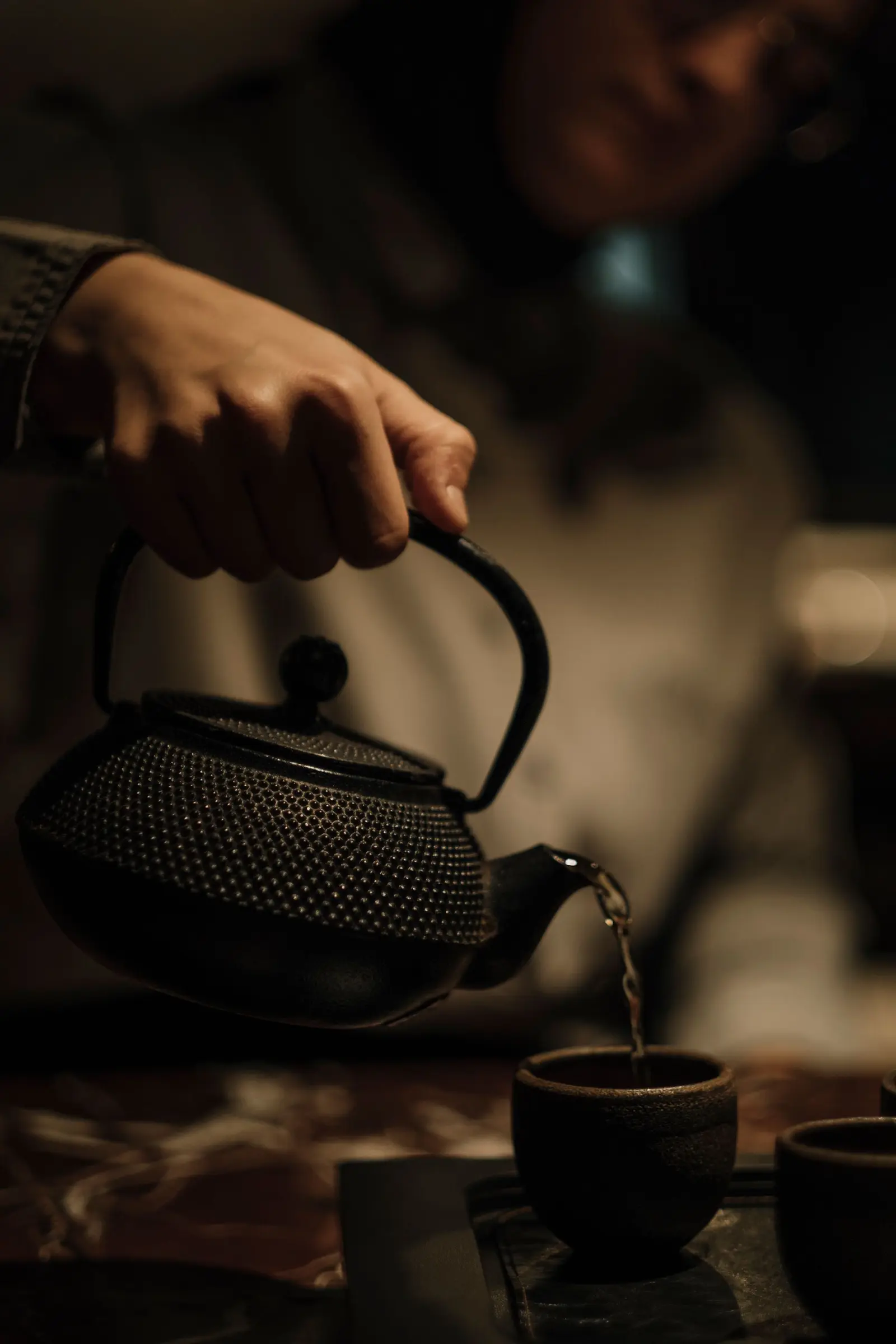
- Use about 1 teaspoon of leaves per 8 oz (240 ml).
- Heat water to 160–185°F (70–85°C), depending on the tea.
- Steep 2 to 3 minutes.
- Strain and enjoy, then re-steep the leaves.
For general instructions, read how to brew loose leaf tea.
Matcha grades
| Grade | Typical use | Characteristics |
|---|---|---|
| Ceremonial | Drinking plain, whisked with water | Vibrant green, smooth, sweet, minimal bitterness |
| Premium or daily | Plain or lattes | Good color and balanced flavor |
| Culinary | Baking, smoothies, lattes | Stronger and more bitter, less vivid color |
There is no single legally defined global standard for these terms, so labels vary between sellers. Judge by color, aroma, origin information and reviews. Our guide on the best matcha for beginners explains what to look for.
Cost
Matcha costs more per serving than most steeped green tea, because of the labor-intensive growing and processing, and lower yields. A good-quality steeped green tea can cost much less per cup and can be re-steeped. If you want to try matcha without a big investment, start with a small tin of a culinary or daily grade for lattes.
Which should you choose?
Choose matcha if you:
- Like creamy, savory, intense flavor.
- Want a strong green tea for lattes, smoothies or baking.
- Enjoy making a small ritual with a whisk and bowl.
- Want a higher-caffeine serving than standard tea.
Choose steeped green tea if you:
- Prefer a lighter, refreshing cup.
- Want to explore many varieties (sencha, jasmine, Dragon Well and others).
- Like re-steeping the same leaves.
- Want something simple and affordable.
Many people enjoy both: green tea for everyday sipping and matcha for special drinks.
Storage
Matcha loses color and flavor quickly. Keep it airtight, in a cool, dark place and use it within a few months of opening. Steeped green tea should also be stored airtight and used within the year. See how to store loose leaf tea.
Other green teas related to matcha
Some teas are close relatives. Sencha is the everyday Japanese green tea, while gyokuro is shaded like matcha but steeped like regular tea. Powdered tea blends sold as “green tea powder” are not always true matcha. Check the ingredients.
Common questions about preparing both
Can you cold brew matcha?
Yes, though it is usually whisked rather than steeped. You can shake matcha with cold water in a bottle for a quick iced drink. Cold water extracts less bitterness and keeps the flavor smooth, but it does not dissolve the powder as completely, so shake well.
Can you steep matcha like regular tea?
Matcha is meant to be suspended in water and consumed. If you simply steep it in a tea bag or infuser, most of the powder stays behind and you lose much of the point of the tea.
Can you whisk regular green tea?
Only if it is powdered tea made for that. Ordinary green tea leaves do not dissolve. Some products labeled “green tea powder” are not true matcha, so read the ingredients and origin.
Which fits your lifestyle?
If you prefer a quiet ritual and enjoy the sensory process, matcha rewards that effort. If your mornings are rushed, steeped green tea is easier, particularly in a travel mug with an infuser. For parties, a pot of steeped tea is easier to serve than individual bowls of matcha. If you cook or bake, matcha is the more versatile ingredient. If you want to experiment with brewing temperatures and flavors, steeped green tea gives you far more variety. Many people keep both, and our guides to how to make a matcha latte and best matcha for beginners can help you start.
Summary
Matcha is whole-leaf, shade-grown, powdered green tea, richer and stronger. Steeped green tea is lighter, more varied and more economical. Both are worth trying. For more options, browse the Green Tea & Matcha hub.
Frequently Asked Questions
Is matcha the same as green tea?
Matcha is a type of green tea, but it is grown and prepared differently. The plants are shaded before harvest, and the leaves are ground into a powder that you whisk into water and drink entirely, rather than steeping and discarding the leaves.
Which has more caffeine, matcha or green tea?
Per serving, matcha usually has more caffeine than a typical cup of steeped green tea because you consume the whole leaf. The actual amount depends on how much powder or leaf you use and how it is prepared.
Is matcha healthier than green tea?
Both come from the same plant and contain beneficial plant compounds. Because matcha uses the whole leaf, a serving delivers more of those compounds. Health claims should be treated cautiously; see reputable sources and speak with a healthcare professional.
Why is matcha so expensive?
Matcha requires shade growing, careful hand or selective harvesting, de-veining, and slow stone-grinding, and the yield is small. Higher grades cost more because of leaf quality and labor.
Can I use matcha instead of green tea in recipes?
Yes, matcha works in lattes, baking, smoothies and desserts. It is not a one-to-one swap for steeped green tea, because you consume the whole leaf and the flavor is stronger.
Want the bigger picture? Read our complete guide to tea or explore more in Green Tea & Matcha.