Medical disclaimer: This article is for general information only and is not medical advice. Consult a healthcare professional.
Key takeaways
- True tea (black, green, white, oolong) always contains some caffeine; herbal infusions made from other plants usually do not.
- Popular naturally caffeine-free choices include rooibos, chamomile, peppermint, hibiscus, ginger and lemon balm.
- 'Decaf' tea still contains a small amount of caffeine, while 'caffeine-free' means the plant has none.
- Check ingredient labels: some herbal blends contain tea leaves, yerba mate or guarana.
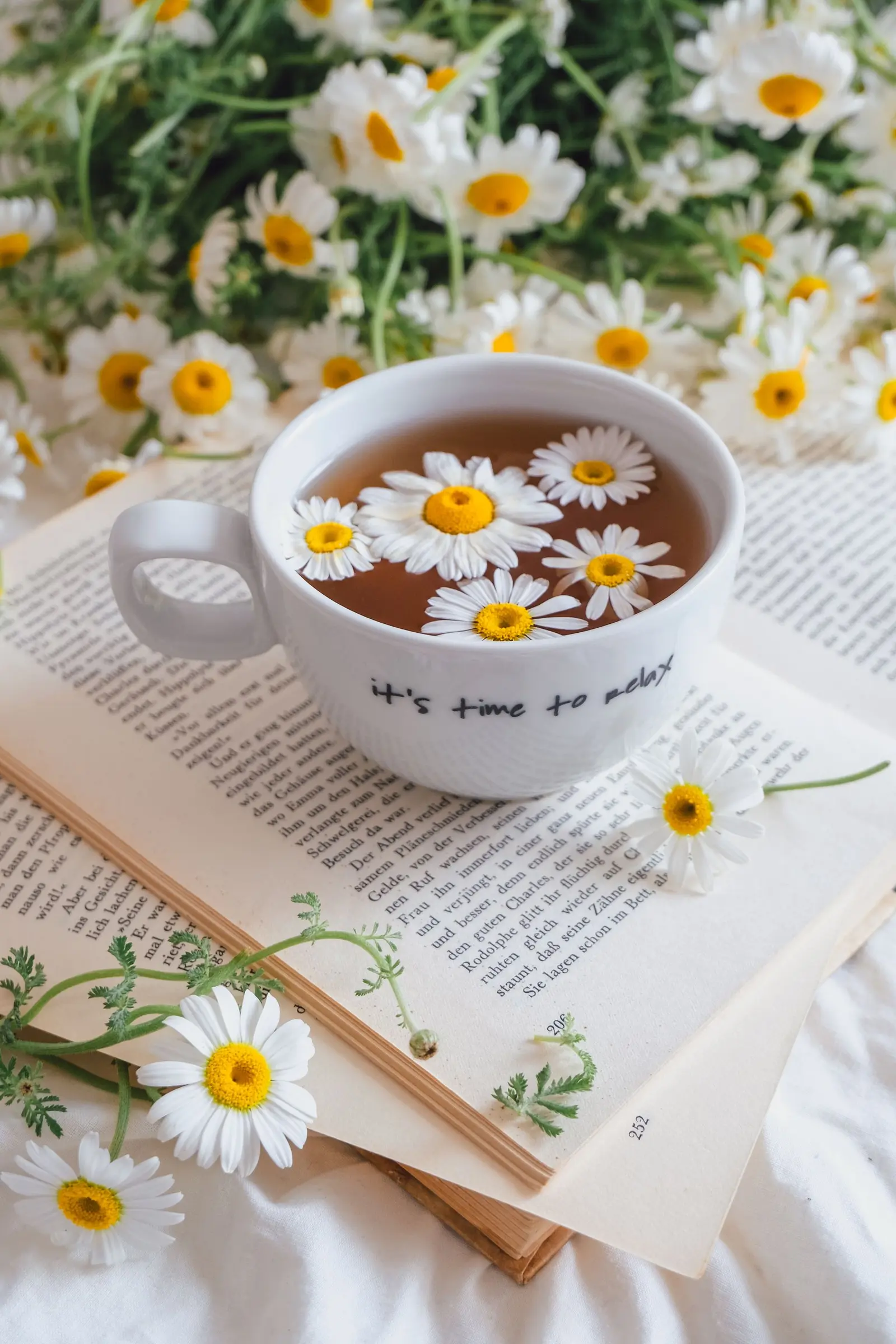
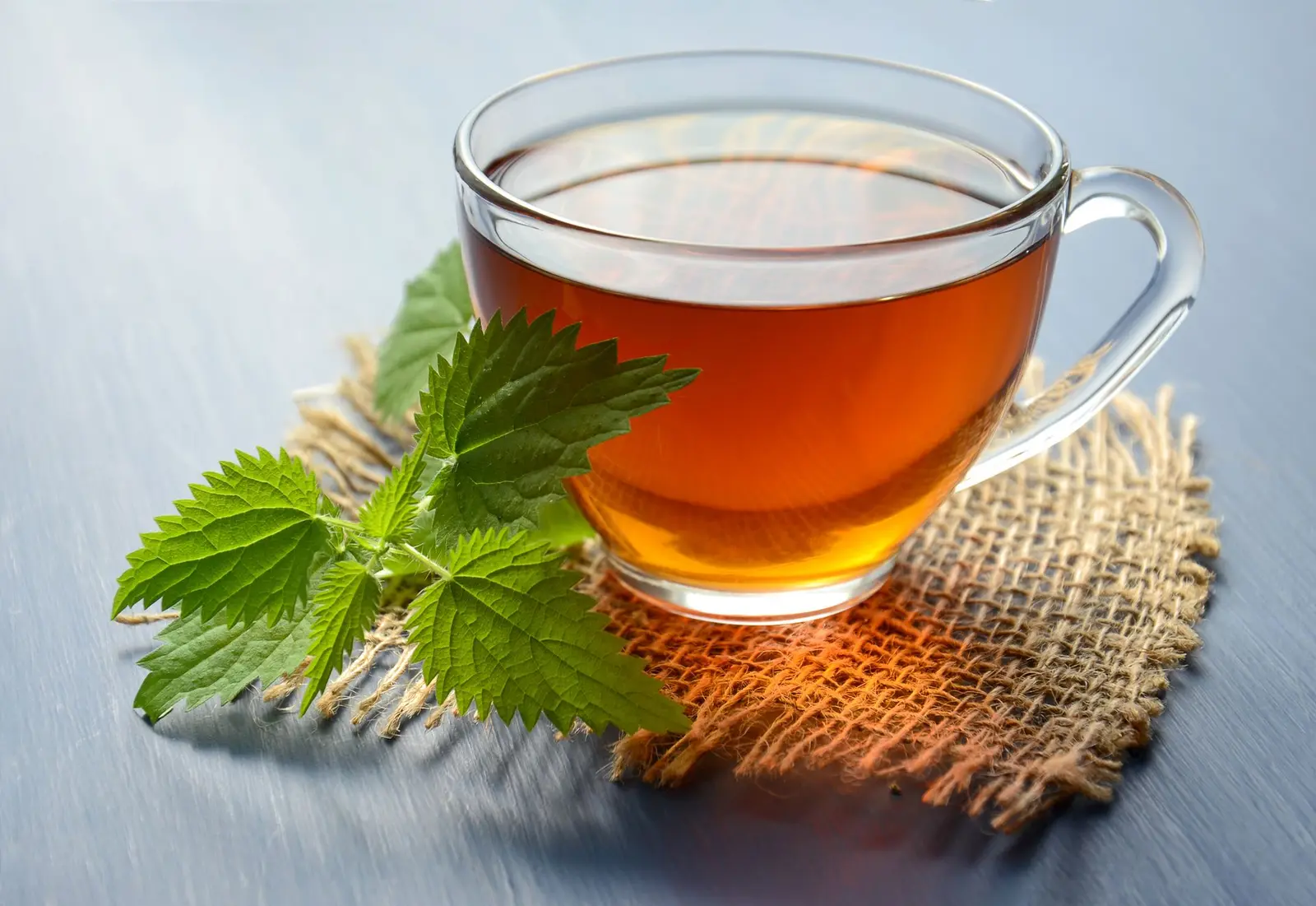
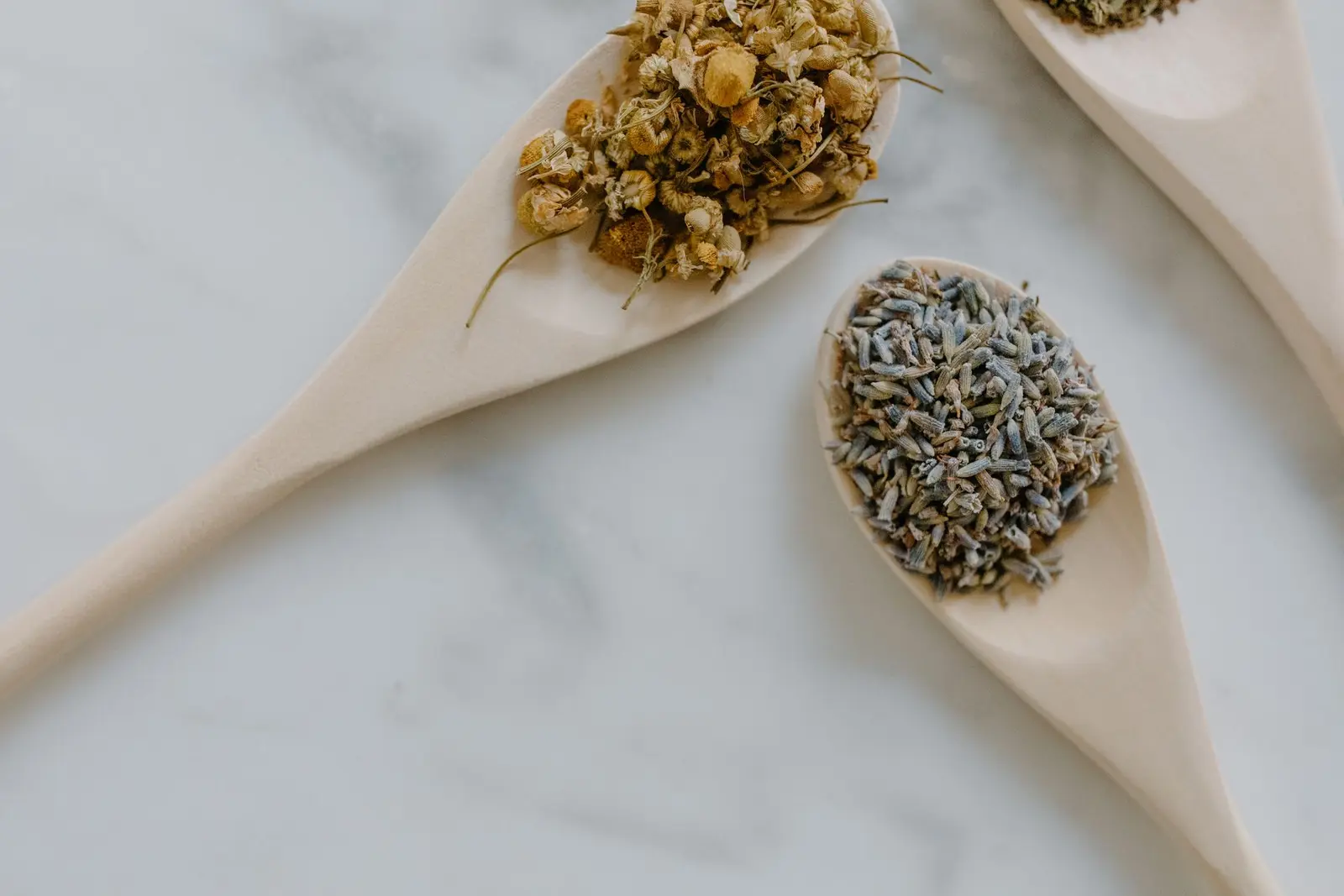
Naturally caffeine-free teas include rooibos, chamomile, peppermint, hibiscus, ginger, lemon balm, fennel and many fruit blends. These are technically herbal infusions (also called tisanes) because they are not made from the tea plant. Real tea, meaning black, green, white, oolong and pu-erh, always contains some caffeine, even when decaffeinated.
This guide gives you a practical caffeine-free tea list, explains the decaf-versus-caffeine-free difference, and offers tips for choosing and brewing.
True tea vs herbal tea
Tea in the strict sense comes from the leaves of Camellia sinensis. Black, green, white, oolong and dark teas all come from this plant, and all contain caffeine. You can learn more about tea types in our complete guide to tea.
Herbal teas are infusions of other plants, such as dried flowers, herbs, spices, roots or fruit. The herbal tea entry on Wikipedia offers a helpful overview. Most are naturally caffeine-free, though there are a few exceptions, covered below.
Caffeine-free tea list
| Tea | Flavor | Common uses |
|---|---|---|
| Rooibos (red bush) | Sweet, nutty, earthy | Everyday tea, chai-style blends, iced tea |
| Chamomile | Floral, apple-like, gentle | Evening cup |
| Peppermint | Cool, minty, refreshing | After meals, iced tea |
| Spearmint | Milder, sweeter mint | Hot or iced |
| Hibiscus | Tart, cranberry-like, deep red | Iced tea, blends |
| Ginger | Warm, spicy | Cold-weather drink, with lemon and honey |
| Lemon balm | Lemony, light, herbal | Evening drinks |
| Lemongrass | Bright citrus, grassy | Hot or iced, Southeast Asian cooking |
| Fennel | Sweet, anise-like | After meals |
| Rose hip | Tangy, fruity | Often blended with hibiscus |
| Lavender | Floral, perfumed | Blended or alone, in small amounts |
| Lemon verbena | Fragrant, lemony | Hot or iced |
| Honeybush | Mild, honey-like, like rooibos | Everyday cup |
| Fruit blends | Sweet, fruity | Iced tea, kids’ drinks |
| Barley tea (mugicha) | Toasty, roasted | Hot or cold, popular in East Asia |
For specific uses, see our guides on tea for sleep and tea for digestion.
Decaf vs caffeine-free: what is the difference?
These terms are not interchangeable.
| Term | Meaning | Caffeine content |
|---|---|---|
| Caffeine-free | The plant used does not contain caffeine, such as chamomile or rooibos | None |
| Decaffeinated | Tea leaves from the tea plant that have been processed to remove most of the caffeine | Small amount remains |
| Regular tea | Black, green, white, oolong | Contains caffeine |
A decaf black or green tea typically still contains a small amount of caffeine, so if you are strictly avoiding it, choose a naturally caffeine-free herbal tea instead. For typical caffeine numbers in different drinks, see caffeine in tea vs coffee.
Watch out for hidden caffeine
Some herbal blends include ingredients that are not caffeine-free:
- Yerba mate (a South American holly plant) contains caffeine.
- Guayusa also contains caffeine.
- Guarana is a caffeine source sometimes added to “energy” blends.
- Green or black tea may be added to flavored herbal blends. Chai blends, for example, typically contain black tea unless labeled rooibos chai.
- Kola nut contains caffeine.
Read the ingredients list rather than relying on the product name. If the label lists “tea” or “green tea,” it contains caffeine.
How to brew caffeine-free teas
Herbal teas are forgiving because they do not turn bitter in the same way as black or green tea, but they still benefit from the right method.
- Water temperature: boiling, about 212°F (100°C).
- Amount: 1 to 2 teaspoons per 8 oz cup. Bulky flowers need more.
- Steeping time: 5 to 7 minutes. Cover the cup to keep volatile oils, especially in mint and chamomile, from escaping.
- Re-steeping: often possible, but flavor usually fades faster than with true tea.
For a full method, see how to brew loose leaf tea. For measurements, read how much tea per cup.
Iced herbal tea
Many caffeine-free teas make excellent iced tea. Hibiscus, mint, rooibos and fruit blends are especially popular. Brew double strength and chill, or cold brew for 6 to 12 hours. See how to make iced tea for step-by-step methods.
Choosing a caffeine-free tea by flavor
| If you like… | Try… |
|---|---|
| Black tea (malty, robust) | Rooibos, honeybush |
| Green tea (fresh, grassy) | Lemon balm, lemongrass, spearmint |
| Floral and gentle | Chamomile, lavender, rose |
| Bright and tart | Hibiscus, rose hip |
| Warming and spicy | Ginger, cinnamon blends |
| Cooling and fresh | Peppermint, spearmint |
| Toasty | Barley tea |
Chai without caffeine
You can make a chai-style drink with rooibos instead of black tea. Simmer rooibos with cardamom, cinnamon, ginger and cloves, and add milk if you like. Use the approach in our chai recipe, swapping the tea.
Safety and precautions
Caffeine-free does not always mean risk-free. Herbs are plants with active compounds, and some people should be careful with them.
- Some herbs may interact with medications.
- Certain herbs are not recommended during pregnancy or breastfeeding.
- People with allergies to related plants (for example, ragweed and chamomile, both in the daisy family) may react.
- Large amounts of some herbal teas are not advisable.
For general guidance on caffeine and health, see the Mayo Clinic’s caffeine overview. Always speak to a healthcare professional about herbal products if you have a medical condition, take medicines, are pregnant or are nursing.
Buying and storing herbal tea
- Look for clearly labeled ingredients and, ideally, the plant parts (for example, “peppermint leaves”).
- Choose a recent date, because dried herbs lose aroma.
- Store in an airtight, opaque container in a cool, dry place. See how to store loose leaf tea.
- If you prefer, buy whole herbs and blend your own.
Quick answers
- Best naturally sweet caffeine-free tea: rooibos or honeybush.
- Best for iced tea: hibiscus or fruit blends.
- Best mint: peppermint (strong) or spearmint (gentle).
- Best evening cup: chamomile or lemon balm.
Matching caffeine-free teas to moods and moments
If you are replacing your coffee or black tea habit, think about what you actually want from the cup. If it is warmth and ritual, any hot herbal infusion works. If it is a bold, comforting flavor, rooibos or a spiced rooibos chai gives body without caffeine. If it is something sweet, honeybush or fruit blends scratch the itch. If you want something refreshing for summer, cold-brewed hibiscus or mint is hard to beat. Making a short list of three or four favorites keeps your cupboard manageable.
Making your own herbal blends
Blending is easier than it sounds. Start with a base herb that has body, such as rooibos, honeybush or lemon balm (about 50 percent), add a flavor herb such as peppermint, ginger or hibiscus (about 30 percent) and finish with a small accent such as lavender, rose petals or orange peel (about 20 percent). Mix a small batch, brew a cup, and adjust. Keep notes on ratios, and store blends in airtight tins. See how to store loose leaf tea for storage advice that applies to herbs as well.
Buying quality herbal tea
Quality herbal tea is made of recognizable pieces: whole flowers, leaves, seeds and chunks of root or peel. A heavy dusty powder in a tea bag is more likely to taste flat. Smell the dry herbs if you can. They should smell fresh, not musty. Check the ingredients for sweeteners or flavoring you do not want, and look for a date. If you drink herbal tea every day, vary your choices rather than relying on one herb in large amounts. For safety questions about daily habits, see is it safe to drink tea every day.
Summary
Caffeine-free tea is an easy way to enjoy a warm drink at any hour. Choose pure herbal infusions, read labels for hidden caffeine, and brew with hot water for several minutes. Explore more in the Herbal Tea hub.
Frequently Asked Questions
Is herbal tea caffeine-free?
Most pure herbal teas, made from flowers, herbs, spices and fruits, are naturally caffeine-free. But some blends include true tea, yerba mate, guayusa or guarana, which do contain caffeine, so read the ingredients.
What is the difference between decaf and caffeine-free tea?
Decaffeinated tea is made from caffeinated tea leaves that have had most, but not all, of the caffeine removed. Caffeine-free tea, such as most herbal infusions, comes from plants that never contained caffeine.
Is rooibos caffeine-free?
Yes. Rooibos, also called red bush, comes from a South African shrub and is naturally caffeine-free, which makes it a popular base for chai-style blends.
Can I drink caffeine-free tea at night?
Caffeine-free teas are common evening drinks because they do not contain caffeine. But individual herbs can have their own effects, so check with a healthcare professional if you are pregnant, take medication or have a medical condition.
Is white tea or green tea caffeine-free?
No. White, green, oolong and black teas all come from Camellia sinensis and contain some caffeine, although the amount varies. Decaffeinated versions have less, but not zero.
Want the bigger picture? Read our complete guide to tea or explore more in Herbal Tea.