Key takeaways
- Sencha is a sun-grown Japanese green tea whose steamed leaves are steeped and removed; matcha is shade-grown leaf ground to a powder and consumed whole.
- Sencha tastes fresh, grassy and slightly sweet; matcha is richer, creamier and more savory (umami).
- Matcha usually delivers more caffeine per serving because you drink the whole leaf.
- Sencha is easier and cheaper to prepare; matcha suits lattes, baking and a ritual with a whisk.
Sencha and matcha are both Japanese green teas, but they are grown, processed and prepared differently. Sencha is sun-grown leaf that is steamed, rolled and dried, then steeped and strained out of the cup. Matcha is shade-grown leaf that is ground into a fine powder and whisked into water, so you drink the whole leaf. Sencha tastes fresh and grassy, matcha tastes richer and more savory, and matcha usually carries more caffeine per serving.
This guide compares them side by side so you can pick the one that fits your taste and routine. For a wider comparison with all green teas, see matcha vs green tea.
What is sencha?
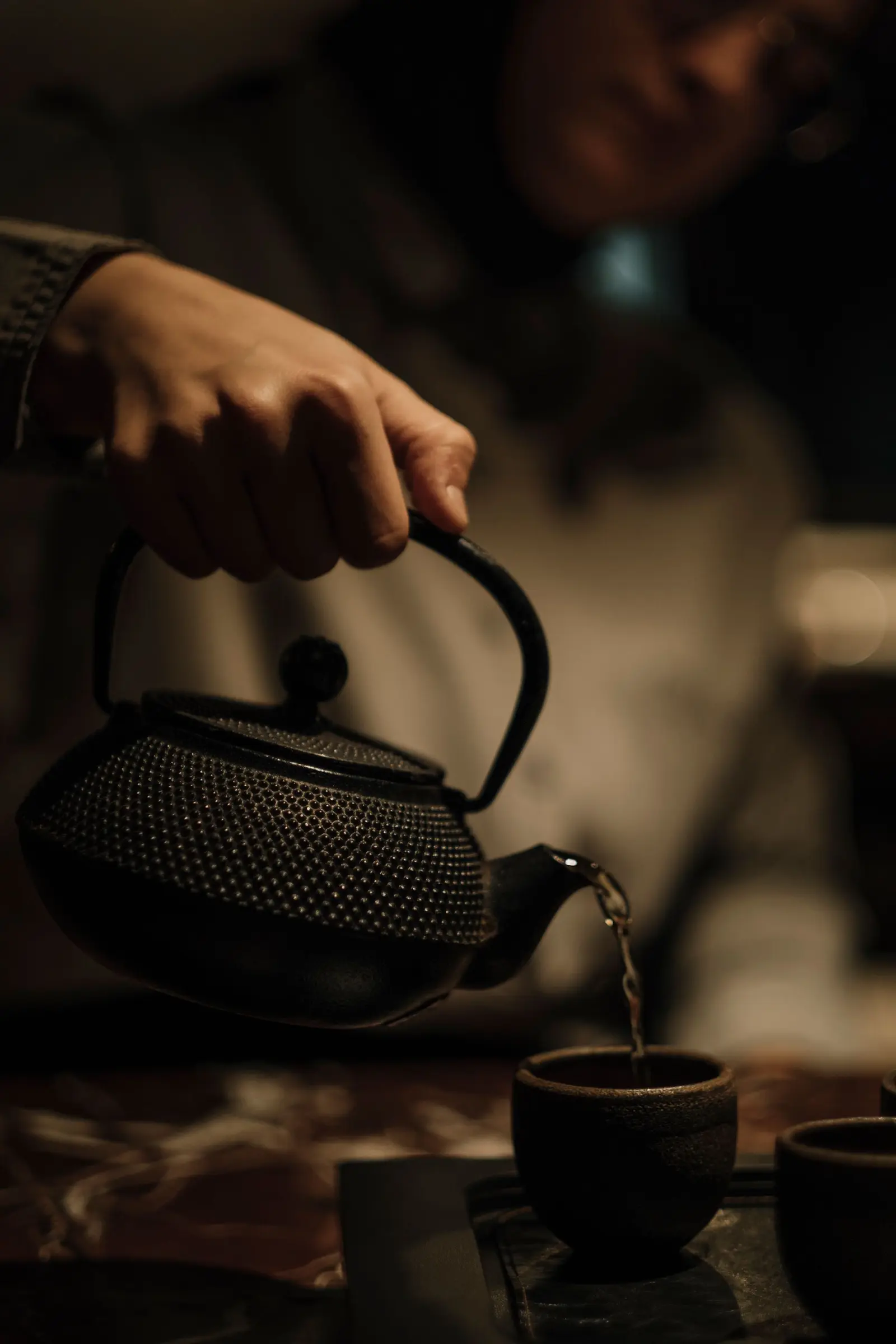
Sencha is the everyday green tea of Japan and the most widely produced style there. The leaves grow in full sunlight, which gives them a bright, slightly astringent, refreshing character. After picking, they are steamed for a short time to stop oxidation, then rolled into thin needle-like shapes and dried. Steaming is what gives Japanese green teas their vivid green color and their fresh, vegetal, sometimes marine flavor, compared with the toasty notes of many pan-fired Chinese greens.
Quality varies. Fine sencha is made from young, tender shoots and tastes sweet and complex, while basic sencha used in everyday and bagged teas tastes simpler and more astringent. Seasonal harvests matter too: the first picking of spring is prized for its freshness. For a broader introduction to tea types, see our complete guide to tea.
What is matcha?
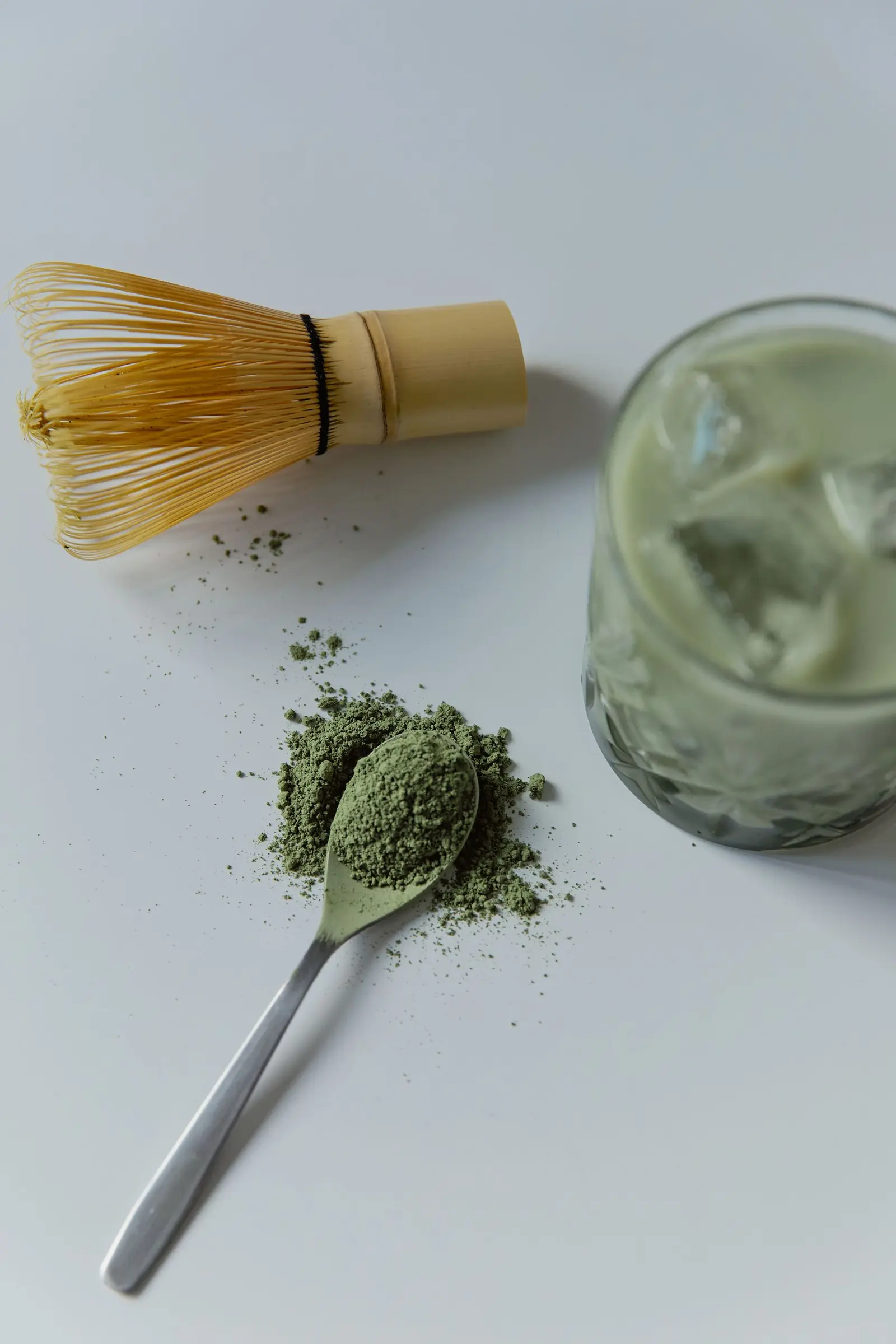
Matcha starts as tea bushes covered with shade for a few weeks before harvest, which increases chlorophyll and amino acids and gives the leaf a deep green color and a savory sweetness. The leaves are steamed and dried without rolling, the stems and veins are removed, and the remaining leaf (called tencha) is stone-ground into a fine powder. You can read more at the Matcha entry on Wikipedia.
Because you consume the powder, you take in the whole leaf rather than just what dissolves in water. That is why matcha is more intense, more filling and generally higher in caffeine per serving.
Sencha vs matcha at a glance
| Feature | Sencha | Matcha |
|---|---|---|
| Growing | Full sun | Shaded for a few weeks before harvest |
| Form | Rolled needle-like leaves | Fine powder |
| Preparation | Steeped, leaves strained out | Whisked into water or milk, powder consumed |
| Flavor | Fresh, grassy, slightly sweet, can be marine | Rich, creamy, umami, grassy sweetness |
| Color in the cup | Pale green to golden green | Opaque, vivid green |
| Caffeine per serving | Lower | Usually higher |
| Cost per serving | Lower | Higher |
| Re-steeping | Yes, often 2–3 infusions | No |
| Equipment | Cup and infuser | Whisk or frother, sifter, bowl or mug |
| Best uses | Everyday sipping, hot or cold brewed | Lattes, desserts, smoothies, ceremonial sipping |
Taste and texture
Sencha is light on the tongue. A good one tastes of fresh-cut grass, spring greens and a touch of sweetness, with a clean finish. Too hot or too long and it turns bitter. The texture is thin and clear.
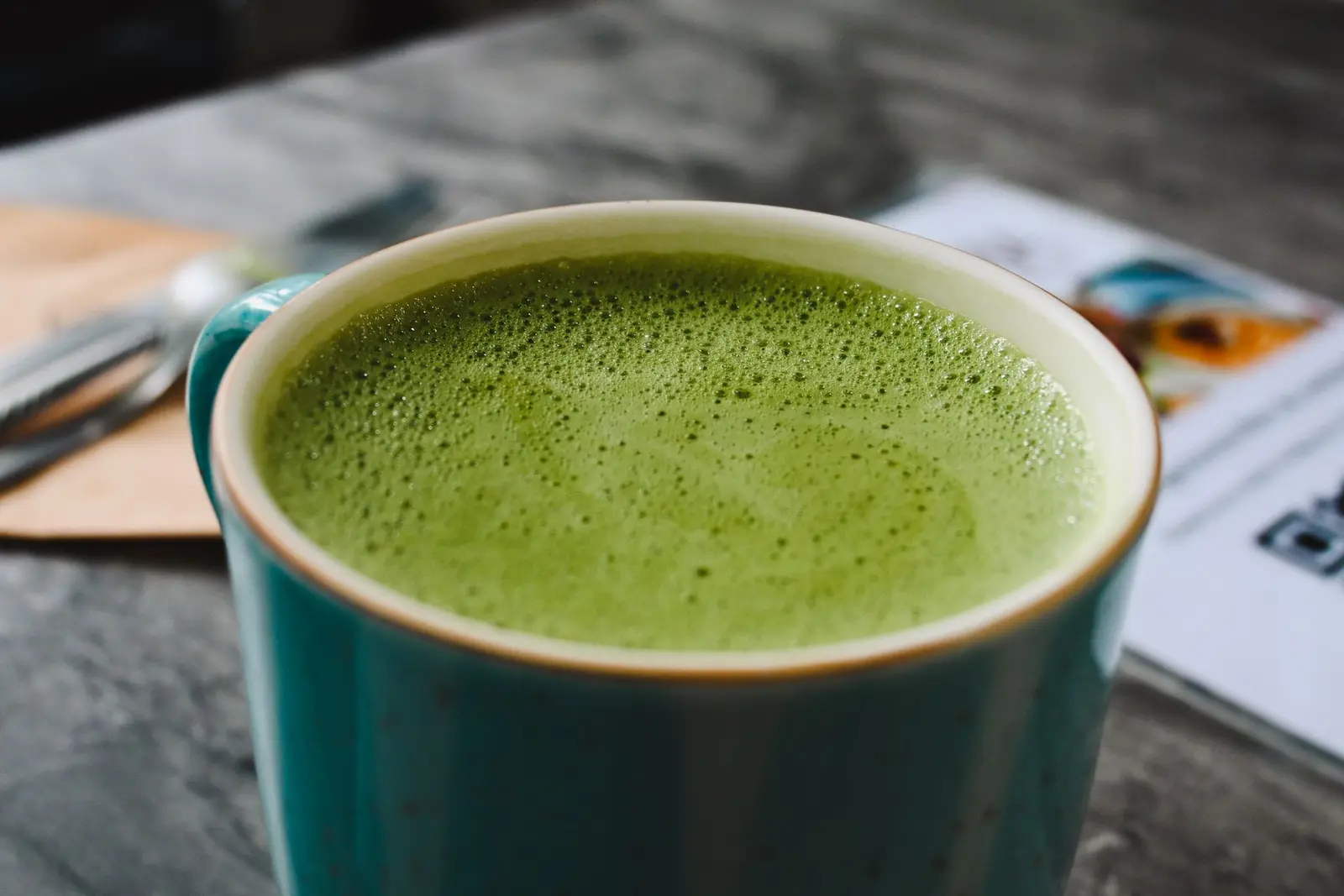
Matcha is thick and creamy, with a velvety mouthfeel and a deep, savory taste often described as umami. High-quality matcha is naturally sweet with little bitterness, while lower grades taste more bitter and are best in lattes and baking. If you want to start with matcha, our guide to the best matcha for beginners explains what to buy.
Caffeine
Both contain caffeine, since both are green tea. A cup of steeped sencha typically has less caffeine than a serving of matcha, because only part of the leaf’s caffeine dissolves in the water, while matcha delivers the whole leaf. The numbers depend on leaf amount, water temperature and steeping time, so treat any figure as approximate. For general ranges compared with coffee, see caffeine in tea vs coffee. If you are sensitive to caffeine, start with a smaller portion of either.
How to prepare sencha
- Use about 1 teaspoon (2 to 3 grams) of leaf per 8 oz (240 ml) of water. Sencha leaves are fine, so a heaping teaspoon may be a little much.
- Heat the water to about 160–175°F (70–80°C). Our guide to water temperature for green tea explains how to reach it without a thermometer.
- Steep for 1 to 2 minutes.
- Strain fully, since sencha keeps steeping if the leaves stay in the water.
- Re-steep with slightly hotter water and a shorter time for a second cup. Many people find the second infusion a little more astringent and the third mild.
How to prepare matcha
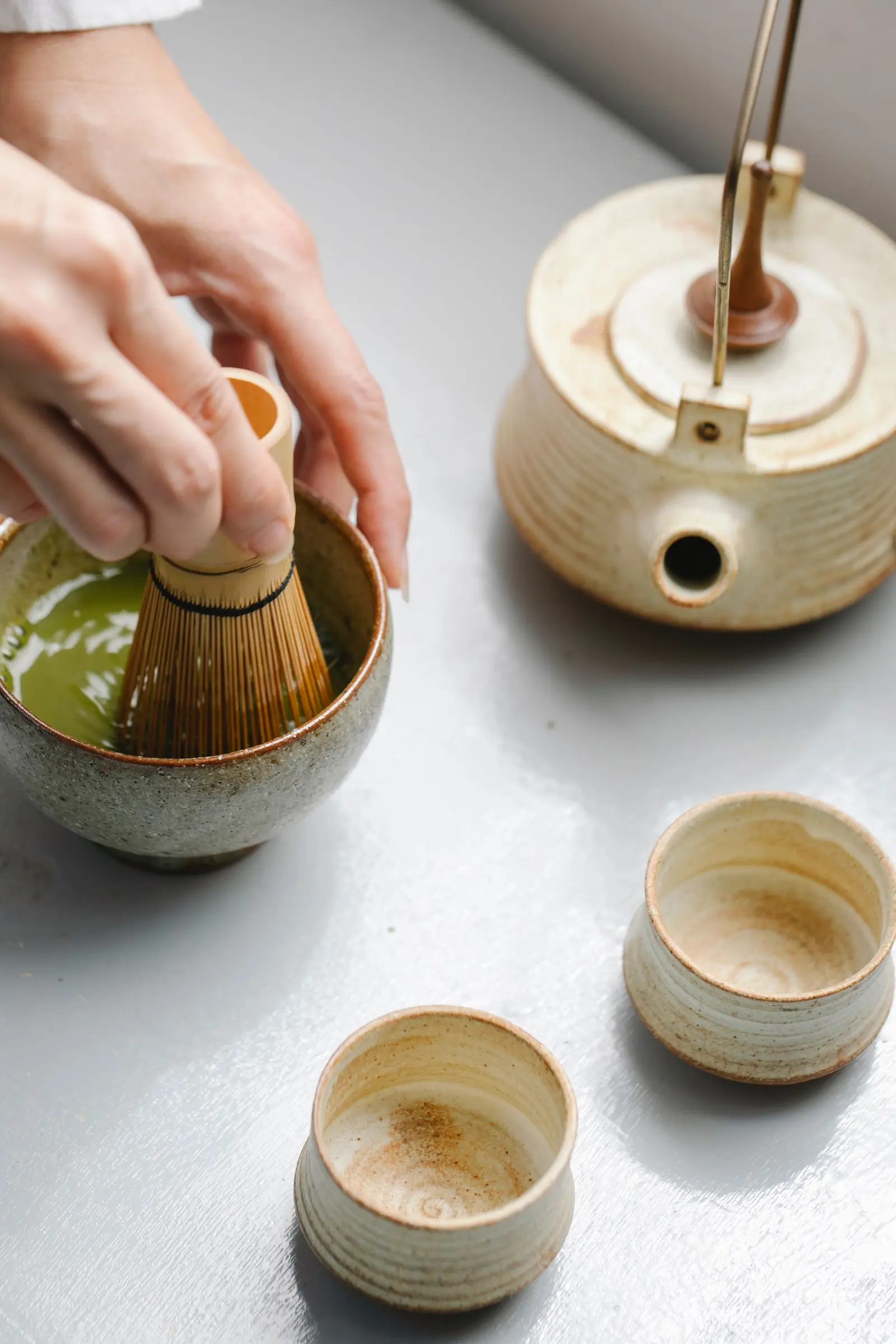
- Sift about 1 teaspoon (2 g) into a bowl.
- Add 2 to 3 oz (60 to 90 ml) of water at about 175°F (80°C).
- Whisk in a quick zigzag until the surface is covered with fine foam.
- Drink it right away, or add warm milk for a latte.
For measurements, a milk-based version and variations, follow our recipe for a matcha latte.
Which should you choose?
Choose sencha if you:
- Want an easy, affordable everyday green tea.
- Like the idea of re-steeping the same leaves.
- Prefer a light, refreshing cup, hot or cold brewed.
- Want a gentler caffeine dose.
Choose matcha if you:
- Love creamy, rich, café-style drinks.
- Want a tea that works in baking, smoothies and desserts.
- Enjoy a small whisking ritual.
- Want more caffeine in a single serving.
Many people keep both: sencha for the afternoon and matcha for lattes.
Buying tips
For sencha, look for a named region (for example Shizuoka, Kagoshima or Uji), a harvest season and a harvest date. Bright green leaves with a fresh, sweet smell are a good sign, while a dull, brownish, dusty tea is likely old. Buy in small amounts, because green tea fades faster than black tea.
For matcha, look for vivid green color, fine texture, a clear origin and a recent date, and buy a small tin. Prices for both vary widely, so compare the price per serving rather than the package price.
Storage
Both are delicate. Keep sencha and matcha in airtight, opaque containers in a cool, dark, dry place, away from strong odors. Sencha is best within about a year of purchase; matcha is best within a few months of opening. See how to store loose leaf tea for the full guidance.
Other Japanese green teas worth trying
Once you know sencha and matcha, explore more of the family:
- Gyokuro: shaded like matcha but steeped like sencha, sweet and rich.
- Genmaicha: green tea blended with toasted rice, nutty and mild.
- Hojicha: roasted green tea, toasty and low in bitterness.
- Kukicha: made from stems, light and creamy.
- Bancha: a more mature leaf, more robust and less delicate.
Summary
Sencha is a sun-grown, steeped green tea that is light, fresh and easy. Matcha is a shade-grown, powdered green tea that is rich, creamy and more intense. Neither is better; they are two ways to enjoy Japanese green tea. Explore more in the Green Tea & Matcha hub.
Frequently Asked Questions
Is sencha the same as matcha?
No. Both are Japanese green teas, but sencha is made from sun-grown leaves that are steamed, rolled and dried, then steeped and removed. Matcha is made from shade-grown leaves that are ground into a fine powder and consumed whole.
Which is stronger, sencha or matcha?
Matcha is usually stronger in flavor and in caffeine per serving, because you consume the entire leaf. Sencha is lighter, and its strength depends on how much leaf you use and how long you steep it.
What water temperature should I use for sencha?
About 160–175°F (70–80°C) for 1 to 2 minutes is a common starting point. Hotter water makes sencha bitter and astringent.
Can I use sencha instead of matcha in a latte?
Not directly. Steeped sencha will not give the creamy body or the intense flavor of matcha. For a latte, use matcha powder, or brew sencha strong and add milk for a lighter, tea-style drink.
Which is better for beginners?
Sencha is simpler and cheaper to start with because it needs only a cup and an infuser. Matcha needs a whisk or frother and a fresh tin, but it is rewarding if you like creamy drinks.
Want the bigger picture? Read our complete guide to tea or explore more in Green Tea & Matcha.