Medical disclaimer: This article is for general information only and is not medical advice. Consult a healthcare professional.
Key takeaways
- Peppermint, ginger, fennel and chamomile are the teas most commonly drunk after meals.
- They are traditionally used for comfort, but scientific evidence varies and tea is not a treatment for digestive conditions.
- Peppermint can relax stomach muscles, which may worsen heartburn for some people.
- Persistent or severe digestive symptoms need a healthcare professional's attention.
Peppermint, ginger, fennel and chamomile are the teas people most often drink after meals for digestive comfort. They are warm, pleasant and caffeine-free, and they have long traditions of use. However, tea is not a treatment for digestive conditions, and the scientific evidence is limited or mixed, so treat these teas as a comforting habit rather than a cure.
This article is for general information only and is not medical advice.
Why tea is linked with digestion
A warm drink after a meal feels soothing, and many cultures have post-meal tea traditions, such as mint tea in North Africa or fennel after meals in parts of South Asia. Herbs and spices like mint, ginger and fennel have been used in food and drink for centuries. Researchers have studied some of their components, but results for tea-strength preparations are often small or inconclusive.
For an introduction to tea and herbal infusions, see our complete guide to tea.
Teas commonly used after meals
| Tea | Flavor | Traditional use | Cautions |
|---|---|---|---|
| Peppermint | Cool, minty | After meals, for stomach comfort | May worsen heartburn or reflux in some people |
| Ginger | Warm, spicy | For queasiness and cold-weather comfort | Check with a professional if pregnant, on blood thinners, or with certain conditions |
| Fennel | Sweet, anise-like | After meals in many cultures | May not suit people allergic to related plants such as carrots, celery |
| Chamomile | Floral, gentle | Relaxation and comfort | Avoid if allergic to daisy-family plants |
| Lemon balm | Lemony | Calming blends | Limited evidence |
| Licorice root | Sweet | In some digestive blends | Can raise blood pressure and affect potassium in large amounts, so ask a professional |
| Green tea | Grassy | General beverage | Contains caffeine; may bother some stomachs |
Peppermint tea
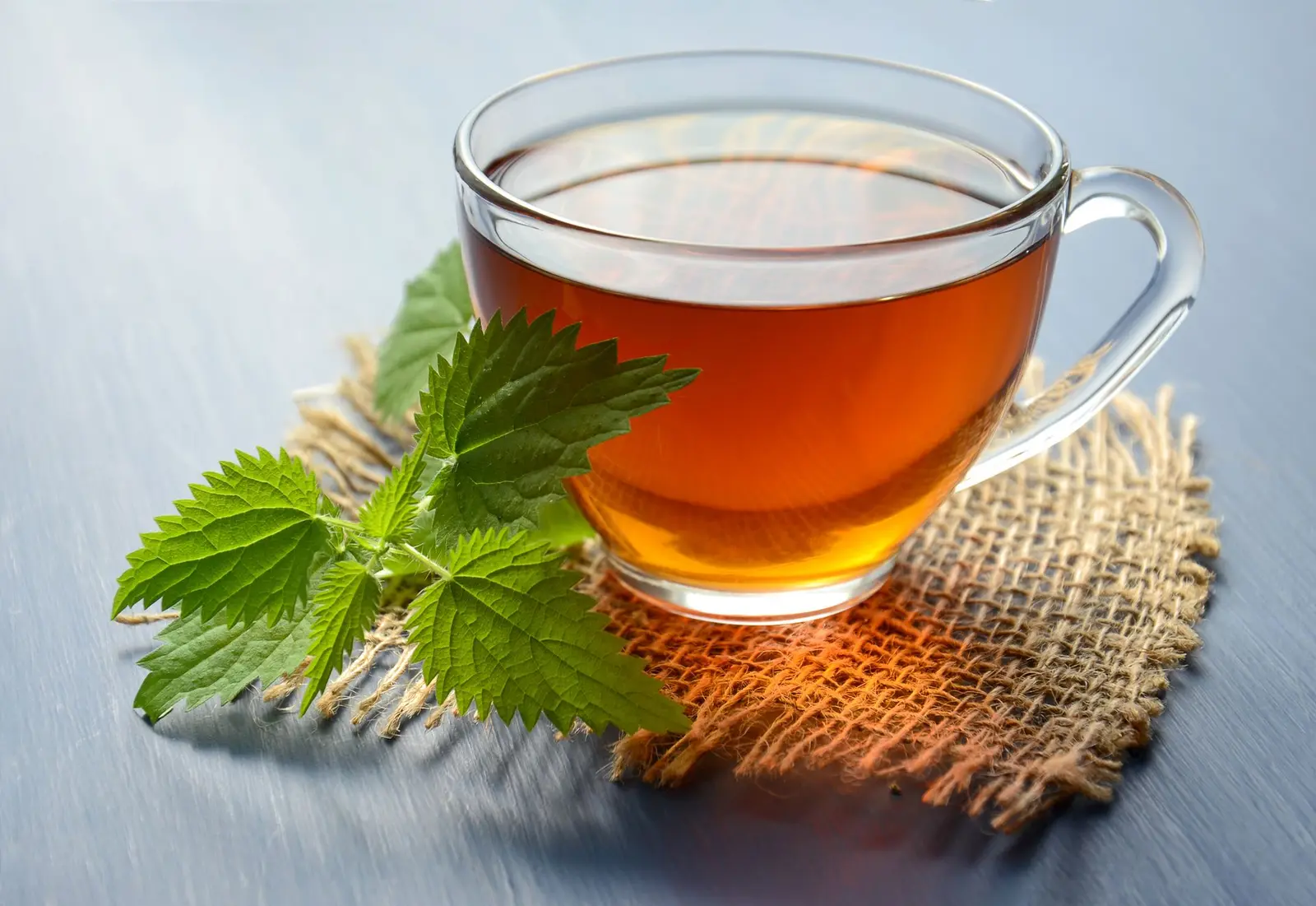
Peppermint is probably the most popular tea for digestion. Its cooling taste is pleasant after a heavy meal. Some research has focused on peppermint oil capsules for certain digestive symptoms, but peppermint tea is far weaker, and results from capsules do not necessarily apply to tea.
One caution: peppermint can relax the muscle between the esophagus and stomach in some people, which may make heartburn worse. If peppermint tea bothers you, try ginger or fennel instead.
Ginger tea
Ginger is a root widely used in cooking and teas. Some studies suggest it may help with certain types of nausea, though doses vary and tea contains modest amounts. You can make ginger tea by simmering fresh slices for 10 minutes. Ginger affects the body, so check with a healthcare professional if you are pregnant, take blood thinners or have a medical condition.
Fennel tea
Fennel seeds taste sweet and slightly like anise. Crushed seeds are steeped for about 10 minutes. Fennel is a traditional after-meal herb, but it is not a medical treatment. People allergic to plants in the carrot family should be cautious.
Chamomile tea
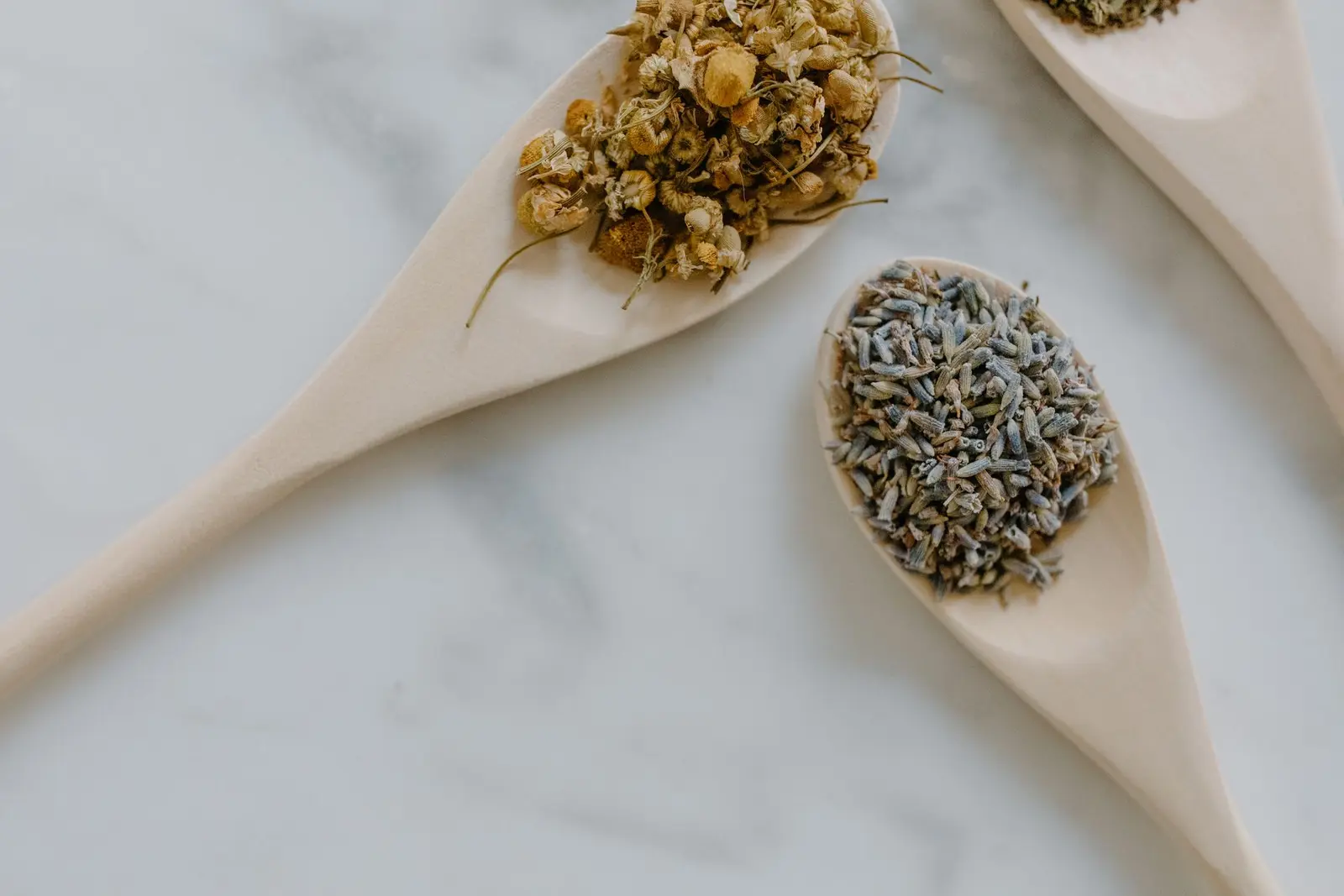
Chamomile is gentle and floral. It is often chosen in the evening. See also the best tea for sleep for more on calming herbal teas.
How to make tea for digestion
Peppermint tea
- Use 1 tablespoon of fresh leaves or 1 to 2 teaspoons of dried peppermint per 8 oz cup.
- Pour just-boiled water over the leaves.
- Cover and steep for 5 to 7 minutes.
- Strain and sip.
Fresh ginger tea
- Slice about 1 inch (2.5 cm) of fresh ginger.
- Simmer in 2 cups of water for 10 minutes.
- Strain and add lemon or honey if you like.
Fennel tea
- Lightly crush 1 teaspoon of fennel seeds.
- Steep in just-boiled water for 10 minutes, covered.
- Strain and drink.
For the basic brewing method, see how to brew loose leaf tea. For measurements, see how much tea per cup.
A simple after-dinner blend
Combine equal parts dried peppermint, fennel seed and chamomile. Use about 1 tablespoon per 8 oz of boiling water, steep covered for 7 minutes, then strain. Keep the blend in an airtight container, away from light, as described in how to store loose leaf tea.
What about regular tea?
Black, green and other true teas contain tannins and caffeine, which can irritate some people’s stomachs, especially when strong or consumed on an empty stomach. Drinking tea with food, using a shorter steep, or choosing herbal teas may feel gentler. Our caffeine-free tea list explains alternatives.
Very hot drinks are not advised. Let tea cool a little before sipping. Large health organizations have noted that very hot beverages can irritate the throat, so aim for warm, not scalding.
Habits that matter more than tea
Tea is a small part of digestive comfort. Other habits matter:
- Eat slowly and chew well.
- Include fiber from vegetables, fruit, whole grains and legumes, and drink enough water.
- Be active, even with a short walk after meals.
- Limit foods that you notice trigger symptoms.
- Manage stress, which can affect digestion.
- Avoid lying down immediately after eating.
When to see a doctor
Digestive symptoms are common, but some signs need professional attention. Seek medical advice if you have:
- Persistent or severe stomach pain.
- Unexplained weight loss.
- Blood in stool or vomit, or black stools.
- Trouble swallowing.
- Ongoing vomiting or diarrhea.
- Symptoms that wake you at night or do not improve.
Do not try to treat these with tea alone.
Special situations
Pregnancy and breastfeeding
Some herbs are not recommended in pregnancy or while breastfeeding. Check with a healthcare provider before drinking herbal teas regularly.
Medications
Herbs can interact with medicines. For example, licorice and some other herbs may affect blood pressure or other drugs. If you take prescriptions, ask a pharmacist or doctor.
Children
Do not give herbal teas to infants or young children without guidance from a pediatrician.
Shopping tips
- Choose pure herbs with a clear ingredient list.
- Look for fresh, fragrant leaves or seeds, not dusty or faded ones.
- Consider whole herbs or loose leaf blends over very fine tea-bag dust. See loose leaf tea vs tea bags.
- Buy small amounts and use them within a year.
Common mistakes
| Mistake | Better approach |
|---|---|
| Drinking scalding hot tea | Let it cool to warm |
| Using peppermint with reflux | Try ginger or fennel; ask a professional |
| Treating tea as medical care | See a doctor for persistent symptoms |
| Steeping too briefly | Cover and steep 5 to 10 minutes |
| Ignoring allergies | Avoid herbs from plant families you react to |
Tea and meals: timing tips
There is no ideal moment to drink tea around meals, but some habits are comfortable for many people. A warm cup after eating, rather than a very large drink during the meal, may feel gentler. If you take iron supplements or eat mostly plant-based iron sources, keep strong tea away from your meals, as described in is it safe to drink tea every day. If you find that tea on an empty stomach causes discomfort, have it with a snack.
Foods and habits that may help alongside tea
If you want to support your digestion, think about the bigger picture. A varied diet with fiber from vegetables, fruits and whole grains, enough water, regular movement and unhurried meals are the foundation. Fermented foods such as yogurt, kefir and sauerkraut are part of some people’s routines. Tea can complement these habits, but it does not replace them. If you frequently feel bloated or uncomfortable, a healthcare professional can help identify causes such as food intolerances or other conditions.
Iced and cold options
Digestive teas do not have to be hot. Peppermint and ginger make refreshing iced teas, and fennel tea can be served cool. Brew double strength, strain, chill and serve with lemon or mint. For methods, see how to make iced tea. Cold drinks can be more comfortable than hot ones for some people after a heavy meal, while others prefer warm. Choose what feels best for you.
Summary
Peppermint, ginger, fennel and chamomile are comforting after-meal teas with long traditions of use. They are no substitute for medical care, and responses vary. Choose gentle herbs, brew them properly and consult a professional about symptoms that persist. Learn more in the Herbal Tea hub, and for general safety questions, read is it safe to drink tea every day.
Frequently Asked Questions
What tea is good for digestion?
Peppermint, ginger, fennel, chamomile and lemon balm are popular choices after meals. They are traditionally used for comfort, but evidence that they treat digestive problems is limited, and responses differ from person to person.
Does peppermint tea help with bloating?
Peppermint is widely used for stomach comfort, and some research has looked at peppermint oil for certain symptoms. A cup of tea is much weaker than concentrated oil, and the evidence for tea is limited. Peppermint may worsen heartburn in some people.
Is ginger tea good for nausea?
Ginger is commonly used for queasiness, and some studies suggest it may help with certain types of nausea. If you are pregnant or have a medical condition, check with a healthcare professional before using ginger regularly.
When should I drink tea for digestion?
Many people drink it after a meal or in the evening. There is no strict rule. Sip it warm and slowly, and see what feels comfortable.
Can tea make digestive problems worse?
It can. Strong black tea or green tea on an empty stomach bothers some people, and peppermint may aggravate heartburn. Very hot drinks are not recommended. Listen to your body and speak with a professional about persistent symptoms.
Want the bigger picture? Read our complete guide to tea or explore more in Herbal Tea.