Key takeaways
- Use about 1 teaspoon (2 g) of matcha, a small amount of hot (not boiling) water, and 6 to 8 oz of milk.
- Sift the powder and whisk it into a paste first to avoid clumps.
- Water around 175°F (80°C) keeps matcha smooth and less bitter.
- No bamboo whisk? Use a small electric frother, a jar with a lid, or a regular small whisk.
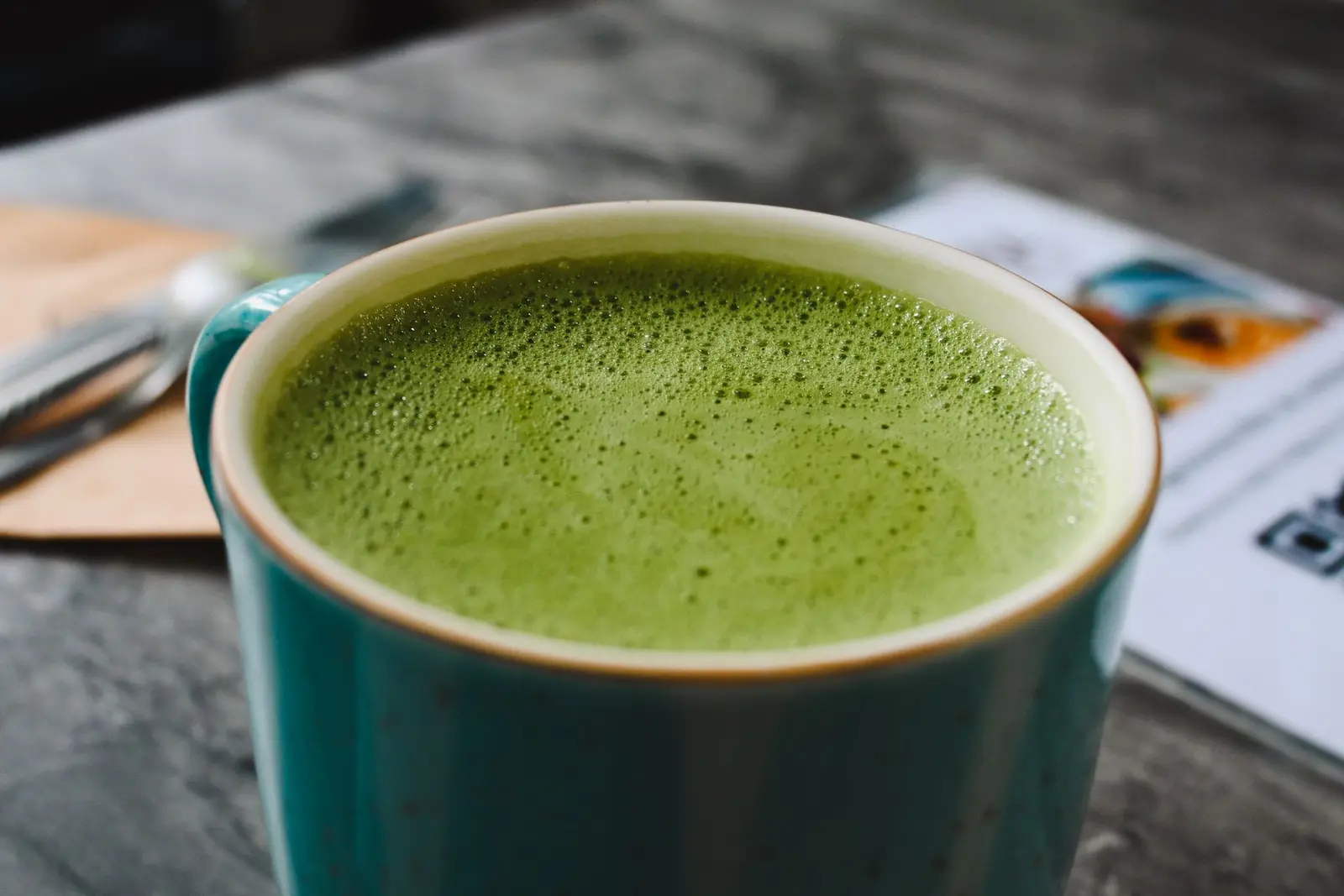
To make a matcha latte, sift about 1 teaspoon (2 grams) of matcha into a mug, whisk it with about 2 ounces of 175°F (80°C) water until smooth, then pour in 6 to 8 ounces of warm, frothed milk and sweeten to taste. For an iced version, whisk the matcha with a little water, then pour it over ice and cold milk. It takes about five minutes.
This guide covers hot and iced versions, what to do if you do not own a bamboo whisk, milk and sweetener choices, and how to fix the most common problems.
What you need
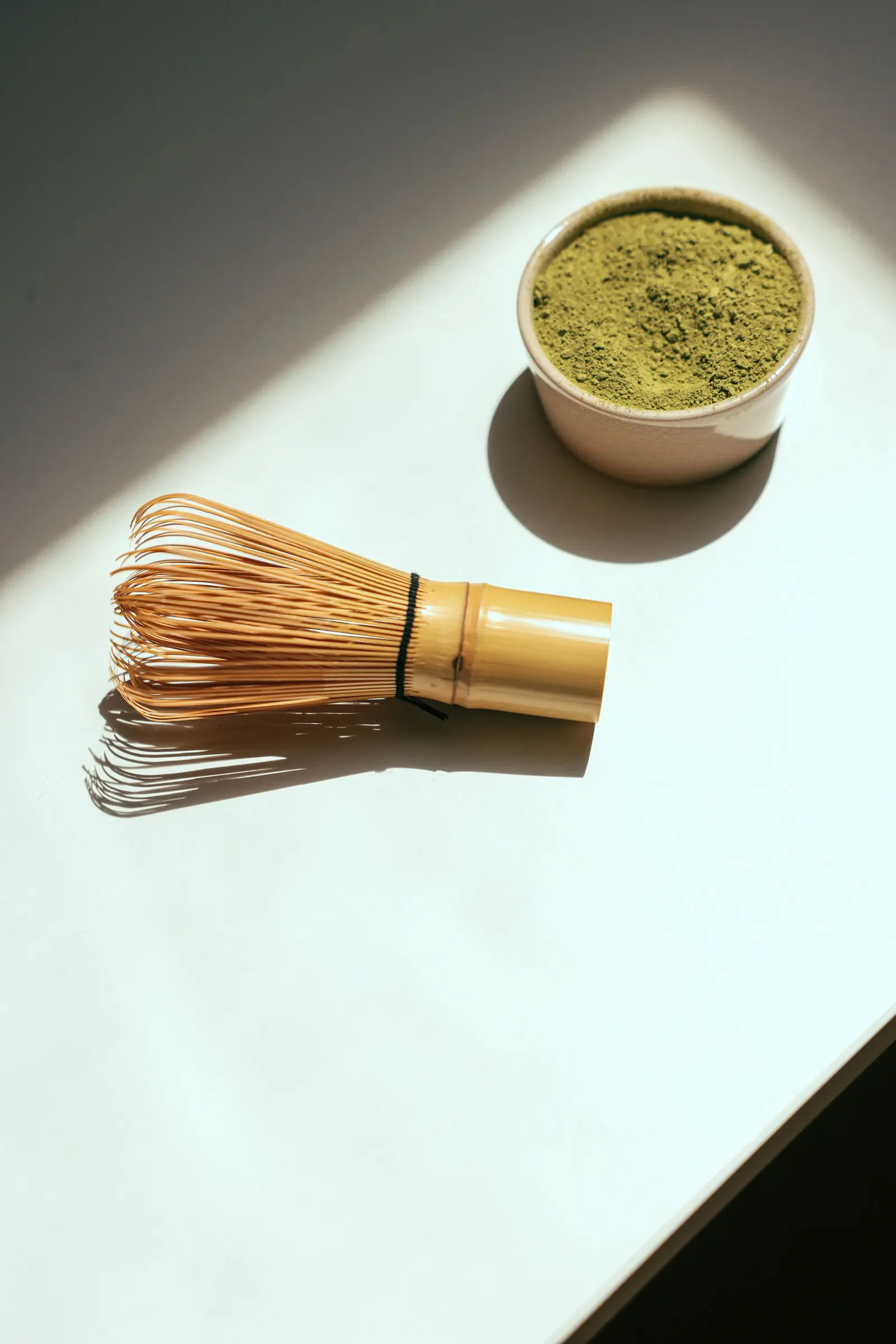
- Matcha powder. Culinary-grade matcha is designed for lattes, though ceremonial-grade also works if you prefer a more delicate taste. If you are choosing, read our guide to the best matcha for beginners.
- Hot water around 175°F (80°C).
- Milk of your choice.
- A small sifter or fine strainer.
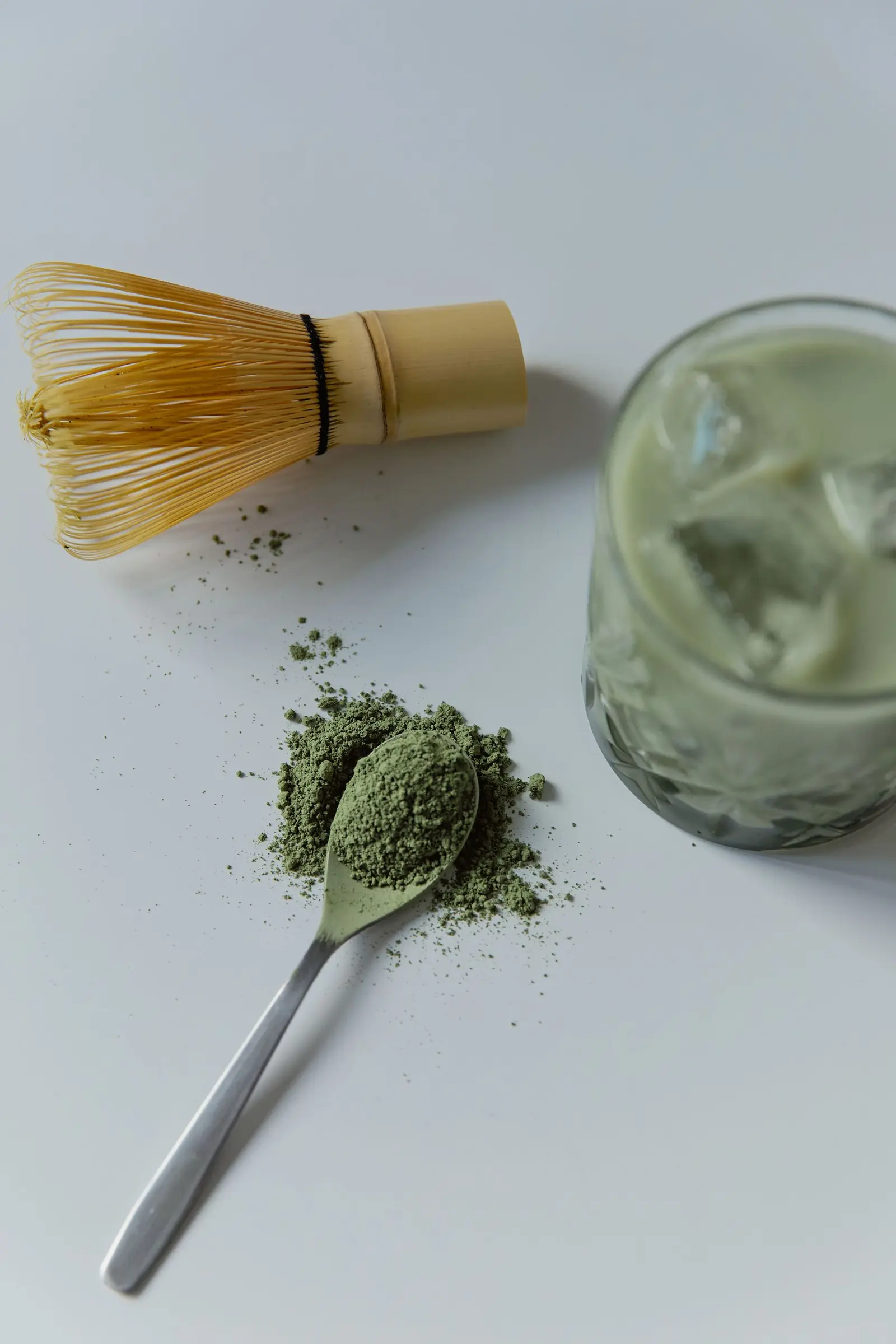
- A whisk: bamboo whisk (chasen), a small electric frother, or a jar with a lid.
- Optional sweetener: honey, maple syrup, sugar or simple syrup.
If you are new to matcha and wondering how it differs from regular green tea, see matcha vs green tea.
Hot matcha latte: step by step
1. Sift the matcha
Matcha is a fine powder that clumps easily. Press 1 teaspoon (about 2 g) through a small sieve into a wide mug or bowl. Sifting is the best way to avoid lumps.
2. Add water and whisk into a paste
Add about 2 oz (60 ml) of water at roughly 175°F (80°C). Hotter water makes matcha bitter, and the same principle applies to other green teas, as explained in our guide to water temperature for green tea. Whisk in a quick “W” or zigzag motion until the matcha is smooth, with a light layer of foam on top.
3. Warm and froth the milk
Heat 6 to 8 oz (180 to 240 ml) of milk until steaming but not boiling. Froth it with a handheld frother, a steam wand or by shaking it in a closed jar if you have a microwave-safe jar.
4. Combine
Pour the milk over the matcha. If you like a layered look, hold back the foam and spoon it on top at the end. Add sweetener to taste.
Iced matcha latte
- Sift 1 teaspoon of matcha into a bowl.
- Add 2 oz of water at 175°F (80°C) and whisk until smooth.
- Fill a glass with ice and add 6 to 8 oz of cold milk.
- Pour the matcha over the milk for a layered effect, or stir it in.
- Sweeten with simple syrup or honey dissolved in a little warm water, because sugar does not dissolve well in cold liquid.
For other chilled tea methods, see our guide to how to make iced tea.
How to make a matcha latte without a bamboo whisk
You do not need special tools:
| Tool | How to use it |
|---|---|
| Handheld electric frother | Add the sifted matcha and water to a mug and froth for 15 to 20 seconds |
| Jar with a tight lid | Add matcha and water, shake hard for 15 seconds |
| Small kitchen whisk | Whisk the matcha with a little water in a bowl |
| Blender | Blend matcha with milk for a very smooth, frothy latte |
The bamboo whisk produces the finest foam, but these alternatives produce a pleasant drink.
Matcha latte ratios
| Strength | Matcha | Water | Milk |
|---|---|---|---|
| Mild | ½ teaspoon (1 g) | 2 oz | 8 oz |
| Medium | 1 teaspoon (2 g) | 2 oz | 6–8 oz |
| Strong | 1½–2 teaspoons (3–4 g) | 2–3 oz | 6 oz |
Start with medium and adjust. You can find more on measuring tea in how much tea per cup.
Choosing milk
- Whole milk: creamy and classic.
- Oat milk: naturally sweet and creamy, a popular match.
- Almond milk: lighter and nutty.
- Soy milk: froths well and has a neutral flavor.
- Coconut milk: rich, with a distinct flavor.
Barista versions of plant milks froth better. If a plant milk curdles when it meets the hot matcha, warm it a little less or add it more slowly.
Sweeteners
Matcha has a grassy, slightly bitter and umami flavor. Many people add a little sweetener:
- Honey (dissolve in hot water first for iced drinks).
- Maple syrup.
- Simple syrup.
- Vanilla syrup.
- Sugar-free options if you prefer.
Taste first, then add a little at a time.
Troubleshooting
| Problem | Cause | Fix |
|---|---|---|
| Bitter | Water too hot, too much matcha, or lower-grade powder | Use 175°F water, less powder |
| Clumpy | Not sifted or whisked | Sift and whisk into a paste before adding milk |
| Weak flavor | Too little matcha or too much milk | Add more powder or use less milk |
| Flat color | Old matcha | Replace it; matcha loses color and flavor over time |
| Gritty | Matcha not dissolved | Whisk longer or blend |
Old or poorly stored matcha is a common problem. Read how to store loose leaf tea for tips that apply to matcha too: airtight container, away from light and heat.
Matcha latte variations
- Vanilla matcha latte: add a few drops of vanilla extract or a splash of vanilla syrup.
- Honey lavender matcha: a little lavender syrup and honey.
- Strawberry matcha: layer strawberry purée under the milk.
- Coconut matcha: use coconut milk and a pinch of salt.
- Dirty matcha: add a shot of espresso.
Caffeine and nutrition
Matcha is made from whole green tea leaves ground into a powder, so you consume the whole leaf. It contains caffeine, which varies with the amount of powder. The caffeine in a matcha latte is typically lower than in a cup of brewed coffee, but not always. See caffeine in tea vs coffee for general ranges, and talk to a healthcare professional if you have concerns about caffeine.
How to buy matcha for lattes
Look for bright green color, a fresh grassy smell, and a fine texture. Dull yellow-brown matcha is usually old or low grade. Buy small tins that you can use within a couple of months. Culinary grade is fine for lattes, while ceremonial grade is made to be whisked with water and drunk plain.
Quick recipe card
Hot matcha latte (1 serving)
- 1 teaspoon matcha, sifted
- 2 oz water at 175°F (80°C)
- 6 to 8 oz warm milk
- Sweetener to taste
Whisk matcha and water to a paste, add milk, sweeten and serve.
For more on green tea basics, explore our complete guide to tea or the Green Tea & Matcha hub.
Make a matcha concentrate for the week
If you make lattes every day, a concentrate saves time. Whisk 4 teaspoons of sifted matcha with about 8 oz of 175°F (80°C) water until smooth, cool it and store it in a sealed jar in the refrigerator for up to 2 or 3 days. Fresh matcha tastes best, and a concentrate can lose its brightness, so make small batches. For each latte, pour about 2 oz of concentrate over ice and milk, stir and sweeten as you like. Shake the jar before using, since matcha settles.
Cafe-style layering
For a layered iced matcha latte, fill a glass with ice, add milk, then slowly pour the whisked matcha over the back of a spoon so it floats on top. Sweeten the milk, not the matcha, so the sweetener mixes in. For a hot latte with latte art, froth the milk until it has a fine, glossy texture, and pour it into the matcha in a steady stream. The look takes practice, but the taste is the same either way.
Common substitutions and dietary notes
Matcha is naturally free of milk, so you can adapt the drink to your diet. Use oat, soy, almond or coconut milk for a dairy-free latte. If you avoid sugar, use a small amount of a sweetener that you tolerate, or skip it and choose a smoother grade of matcha. If you are sensitive to caffeine, start with ½ teaspoon and see how you feel; our guide to caffeine in tea vs coffee explains typical levels. For other green tea drinks, read water temperature for green tea.
Frequently Asked Questions
How much matcha powder do I use for a latte?
Use about 1 teaspoon (roughly 2 grams) per latte for a medium-strength drink. Use 1½ to 2 teaspoons if you like it stronger, or ½ teaspoon for a mild cup.
Can I make a matcha latte without a whisk?
Yes. Use a handheld electric milk frother, shake the matcha and water in a tightly closed jar, or whisk with a small kitchen whisk. A bamboo whisk (chasen) gives the smoothest result but is not required.
What milk is best for matcha lattes?
Whole milk and oat milk are popular because they are creamy and balance matcha's grassy flavor. Almond and soy work too. Pick one you enjoy, and froth it for a café-style texture.
Why is my matcha latte bitter or clumpy?
Bitterness comes from water that is too hot, too much matcha, or lower-quality powder. Clumps come from not sifting or whisking the matcha into a smooth paste first.
Does a matcha latte have caffeine?
Yes. Matcha is made from whole ground green tea leaves and contains caffeine, usually less than a cup of coffee but varying with how much powder you use.
Want the bigger picture? Read our complete guide to tea or explore more in Green Tea & Matcha.