Key takeaways
- For lattes, a culinary or 'daily' grade is perfectly fine and more affordable.
- For drinking matcha plain, choose a ceremonial or premium grade with vivid green color.
- Buy small tins, check the harvest or packing date, and store matcha airtight and cool.
- Judge by color, smell, texture and sourcing, not just the grade name, because labels are not standardized.
If you are new to matcha, buy a small tin of culinary or “daily” grade for lattes, and a small tin of ceremonial or premium grade only if you want to drink it plain with water. Look for bright green color, a fresh grassy aroma, a fine silky texture, clear origin information and a recent packing or harvest date. Freshness and sourcing matter more than any single brand name.
This guide explains how to choose matcha, what the grade names mean, and common mistakes to avoid.
First, decide how you will use it
The right matcha depends on the way you plan to drink it.
| How you will use matcha | What to buy |
|---|---|
| Lattes and iced lattes | Culinary or daily grade |
| Smoothies and baking | Culinary grade |
| Whisked with water | Ceremonial or premium grade |
| Gifts or special occasions | Ceremonial grade in a sealed tin |
Culinary matcha is formulated to stand up to milk and sugar. Ceremonial matcha is smoother and sweeter on its own, and putting it in a latte masks the qualities you pay extra for. To see how a latte comes together, follow our guide to how to make a matcha latte.
Understanding matcha grades
Grade names are marketing terms, not a standardized global system, so the same word can mean different things at different companies. Still, a general pattern helps.
| Grade | Typical profile | Best use |
|---|---|---|
| Ceremonial | Bright green, fine, smooth, naturally sweet, low bitterness | Sipping plain |
| Premium / daily | Good color and flavor, slightly stronger | Plain or lattes |
| Culinary | Stronger, often more bitter, duller green | Lattes, baking, smoothies |
To understand how matcha is made and why the leaf quality matters, read matcha vs green tea.
What to look for when buying
1. Color
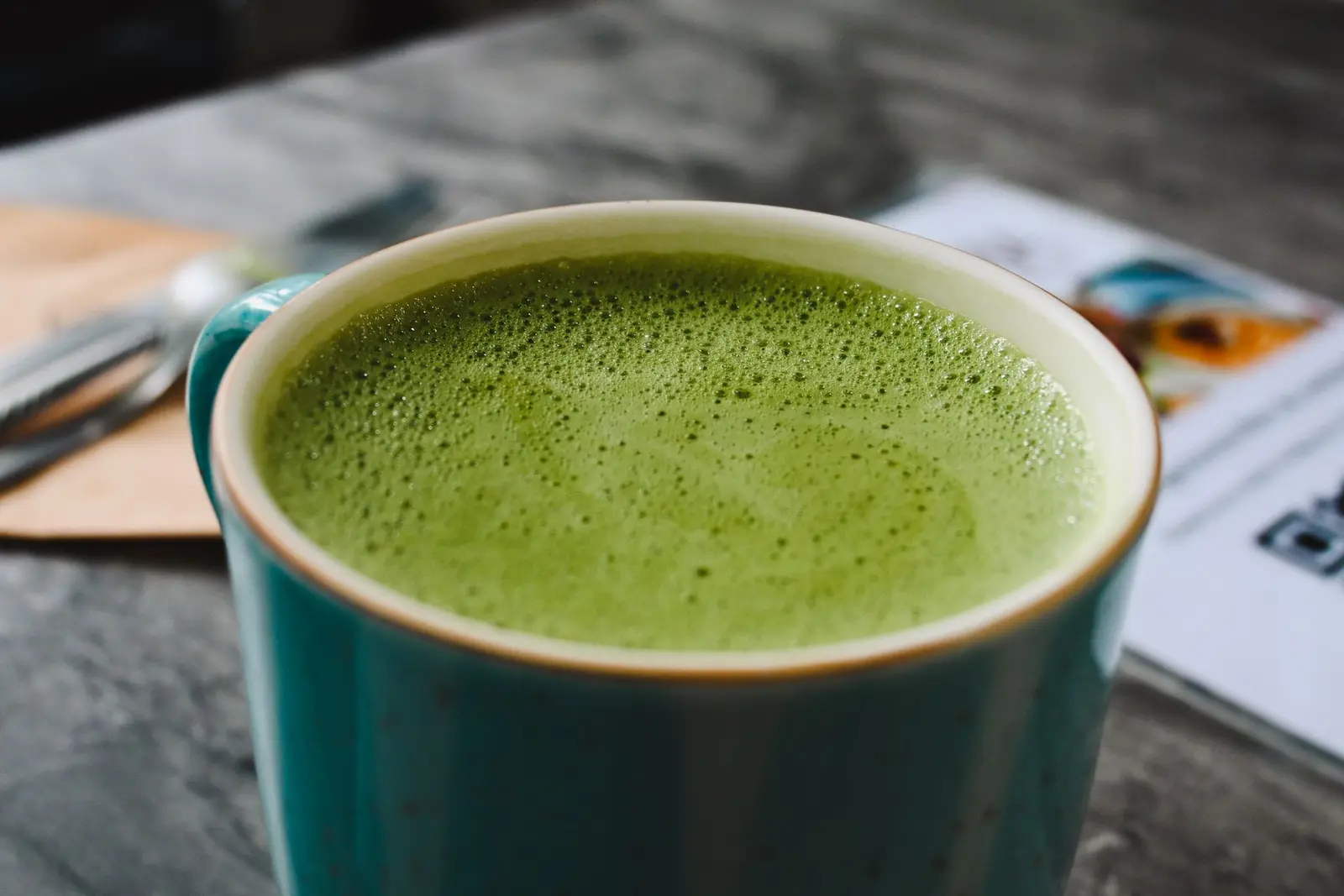
Fresh, high-quality matcha is a vivid, bright green. If it looks yellow, olive, gray or brown, it may be older or lower grade. Photos online can be unreliable, so look for sellers that show the actual product.
2. Smell
Open the tin if you can, or read reviews. Good matcha smells fresh, grassy and slightly sweet. A stale or hay-like smell suggests age.
3. Texture
Matcha should feel like fine, soft powder. Coarse or gritty matcha is often lower quality.
4. Origin
Matcha comes from Japan, and well-known growing regions include Uji (Kyoto), Nishio (Aichi) and Kagoshima. Other countries produce tea powders, too, but the quality and the labeling can vary. Look for a seller that names the region and ideally the producer or cultivar.
5. Harvest and packing date
Matcha is best when it is fresh. A tin with a recent harvest or packing date is a good sign. Avoid products without any date information.
6. Ingredients
The ingredient list should be just “green tea” or “matcha.” Pre-mixed “matcha lattes” often contain sugar and other ingredients, and these are not the same as pure matcha.
7. Packaging
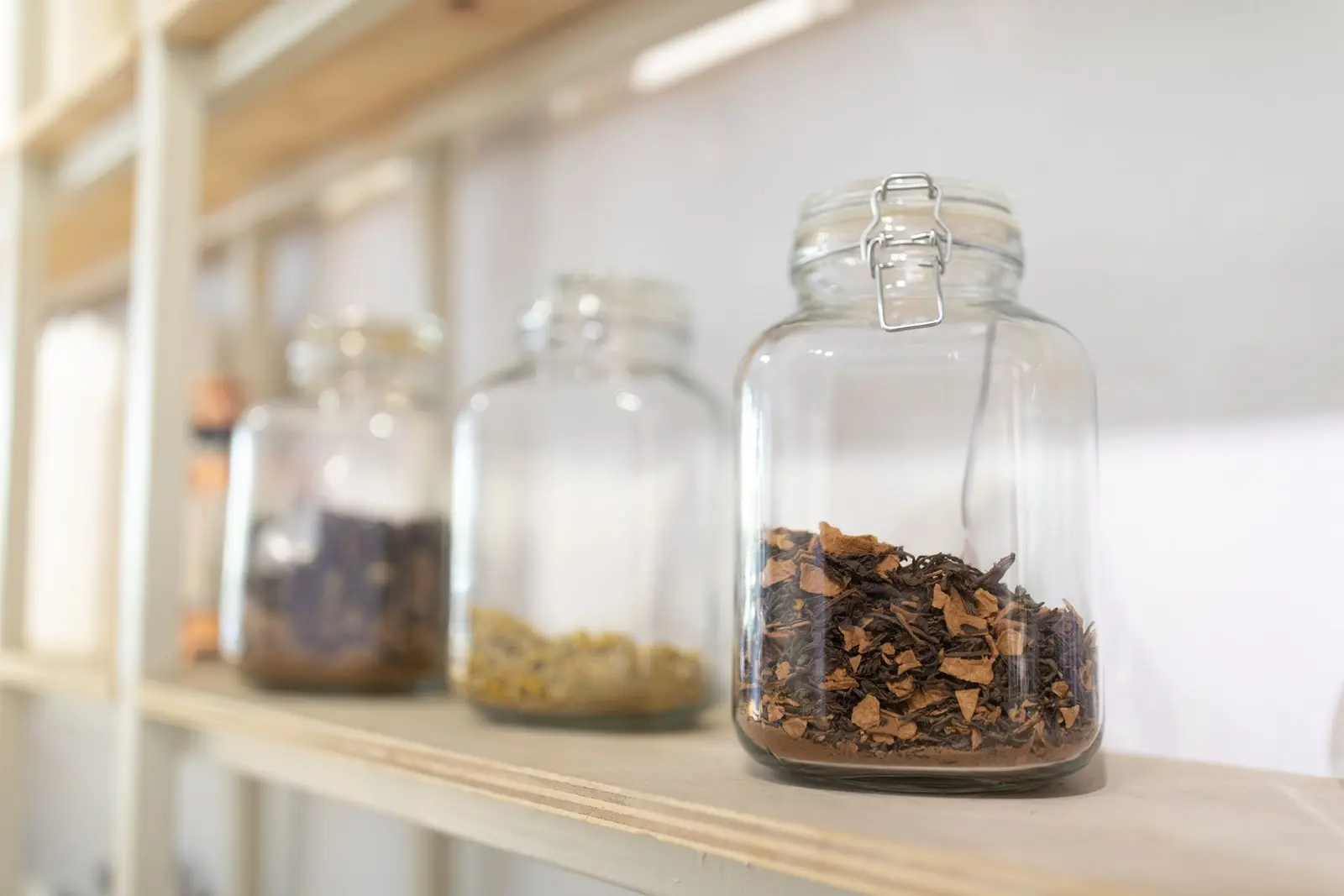
Choose airtight, opaque packaging. Light and air damage matcha. Smaller tins (20 to 30 grams) let you finish the matcha while it is fresh.
Price: what to expect
Matcha prices vary widely. Because matcha involves shade-growing, careful picking and slow grinding, very low prices can be a warning sign. At the same time, the most expensive tin is not always the best choice for a beginner. Compare the price per gram instead of the tin price, and check reviews from independent sources.
If you are just exploring, a modest, small tin is enough. You can upgrade after you learn what you enjoy.
Common beginner mistakes
| Mistake | Why it matters | Better approach |
|---|---|---|
| Buying a huge tin | It will go stale | Buy 20–30 g and finish it within a few months |
| Using ceremonial matcha in a sweet latte | The subtle flavor is hidden | Use culinary or daily grade for lattes |
| Using boiling water | Makes matcha bitter | Use about 175°F (80°C) water |
| Skipping the sifting | Causes clumps | Sift every time |
| Storing it near the stove | Heat degrades it | Store cool and dark |
| Expecting it to taste like regular tea | Matcha is richer and more vegetal | Start with a latte if the flavor feels strong |
Tools you need
- Small sifter (or fine strainer).
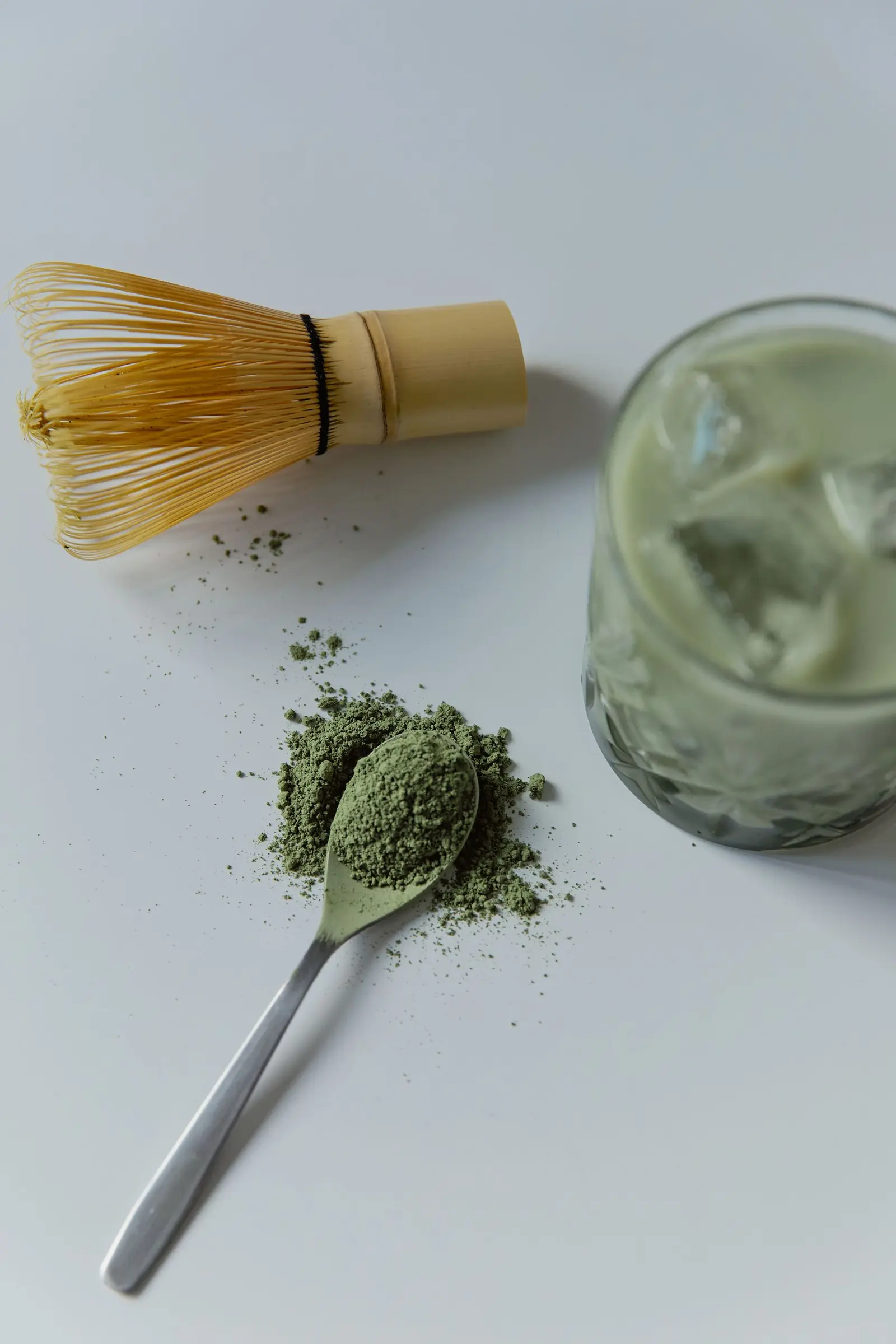
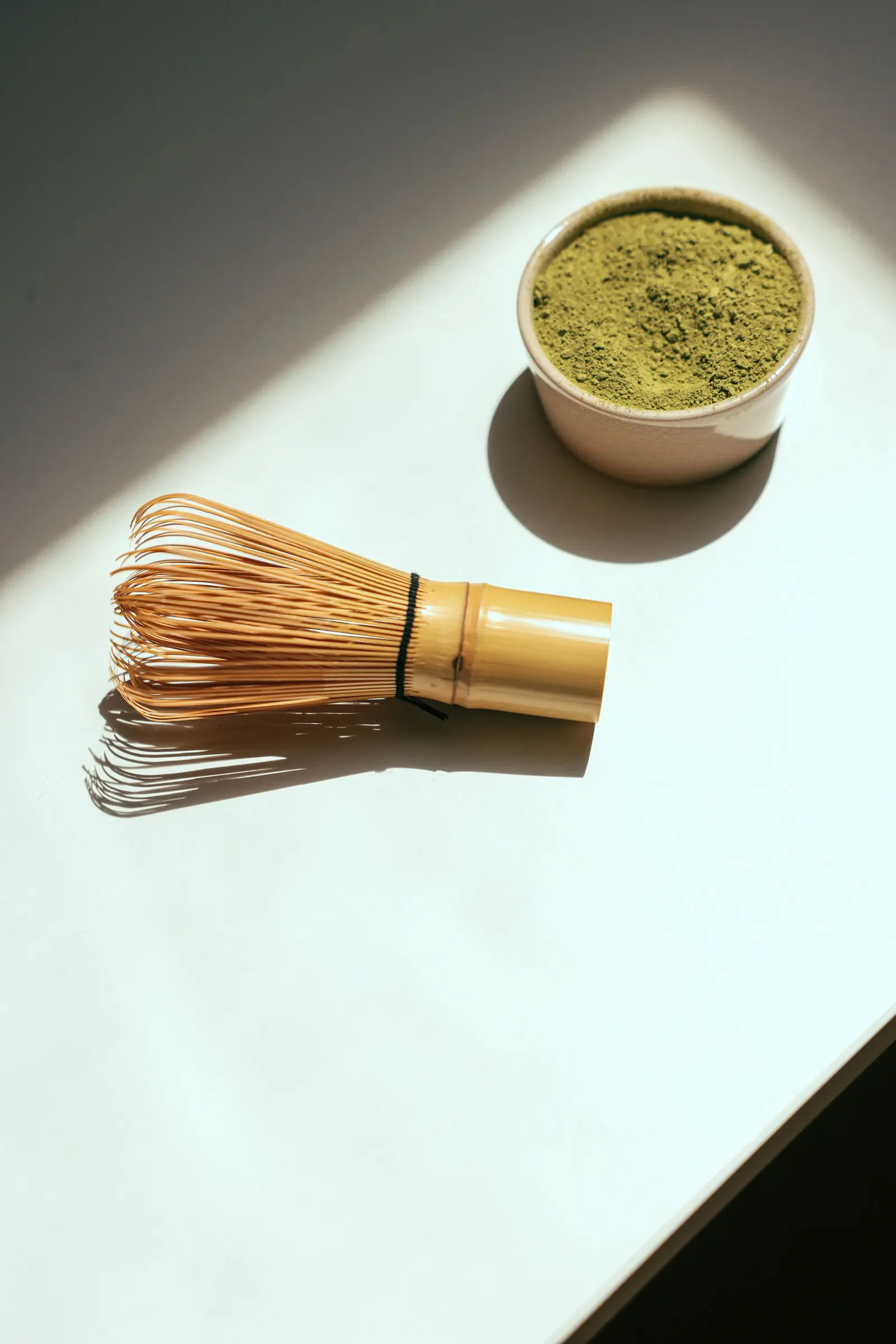
- Bamboo whisk (chasen), electric frother or small whisk.
- Wide bowl or mug.
- Measuring spoon or small scale.
A full set is handy, but you can start with a frother and a mug.
How to taste matcha like a beginner
- Sift 1 teaspoon (about 2 g) into a bowl.
- Add about 2 to 3 oz (60 to 90 ml) of 175°F (80°C) water.
- Whisk into a smooth froth.
- Smell it first, then sip slowly.
- Notice sweetness, bitterness and aftertaste.
If it tastes harsh, try less powder, cooler water or a higher grade. If it tastes weak, add more powder or use less water. The water temperature advice is similar to what we describe in water temperature for green tea.
Flavor-wise: what is “umami”?
Umami is a savory, mouth-filling taste. In matcha, it comes from amino acids that increase when the plants are shaded before harvest. If you want to feel this, drink a good matcha plain, without milk or sweetener.
Caffeine and sensitivity
Matcha contains caffeine, and since you consume the whole leaf, a serving can have more than a cup of steeped green tea. Start with a small serving, especially if you are sensitive. Our caffeine in tea vs coffee article gives general context. If you have health concerns, talk with a healthcare professional.
Storage tips
Matcha is delicate. Seal it, keep it away from light, heat and odors, and use it within a couple of months once opened. See how to store loose leaf tea for the same principles, which apply even more strongly to powdered teas.
Some people keep unopened matcha in the refrigerator or freezer. If you do, let the sealed tin come to room temperature before opening to prevent condensation. For a tin you open every day, a cool cupboard is simpler.
Quick buying checklist
- Grade matches how you will use it
- Bright green color
- Origin named
- Recent harvest or packing date
- Ingredient list is just matcha
- Small, airtight, opaque tin
- Price per gram makes sense
Where to go next
Learn how matcha differs from steeped tea in matcha vs green tea, try our matcha latte recipe, and explore more in the Green Tea & Matcha hub.
Your first week with matcha: a simple plan
If you are brand new, a short experiment teaches you more than any article. On the first day, whisk 1 teaspoon of your matcha with 2 to 3 oz of 175°F (80°C) water and drink it plain, noting sweetness and bitterness. On the second day, make a latte with 1 teaspoon and 6 to 8 oz of milk. On the third day, try an iced latte. On the fourth day, adjust the amount of matcha up or down based on what you liked. Over the rest of the week, try a different milk, a sweetener or a recipe such as a smoothie. By the end, you will know whether you prefer plain matcha, lattes or recipes, and which grade makes sense for you to buy next.
Signs your matcha has gone stale
Fresh matcha is a vivid green with a sweet, grassy smell. If your matcha turns dull olive or yellowish, smells flat or like hay, or tastes unusually bitter and flat even with correct water temperature, it has probably aged. It is not necessarily dangerous, but it will not give you the flavor you paid for. Old matcha can still be used in baking, where its subtle notes matter less. To avoid waste, buy small tins and follow the storage tips in how to store loose leaf tea.
Matcha and your budget
Matcha does not have to be expensive to be enjoyable. A modest culinary-grade tin used for lattes can last for many drinks, since you use only about 2 grams per serving. Divide the price by the number of servings to see the real cost per drink, and compare that with café prices. If you drink matcha regularly, a decent mid-priced tin and a simple whisk give you a lot of pleasure for a small cost per cup. For more on how the powder differs from regular tea, see matcha vs green tea.
Frequently Asked Questions
What is the best grade of matcha for beginners?
If you plan to make lattes or smoothies, culinary or daily-grade matcha is a sensible, affordable start. If you want to drink it plain with water, try a ceremonial or premium grade, because the smoother flavor is easier on a new palate.
What does good matcha look like?
Good matcha is a vibrant, bright green with a fresh, grassy and slightly sweet smell, and it feels silky and very fine. Dull, yellow or brownish matcha is usually older or lower quality.
Is Japanese matcha better than other matcha?
Japan is the traditional home of matcha, and many well-known producers are in regions like Uji, Nishio and Kagoshima. Quality matters more than country alone, so look for clear sourcing information.
How much should I pay for matcha?
Prices vary widely by brand, grade and size. Very cheap matcha is often lower quality and can taste bitter. Compare price per gram and look for transparent labeling instead of aiming at a single price.
How long does matcha stay fresh?
Once opened, use it within a couple of months for the best flavor, and keep it airtight, dark and cool. Unopened sealed tins last longer. Check the packaging date.
Want the bigger picture? Read our complete guide to tea or explore more in Green Tea & Matcha.