Disclosure: ChayStore may earn a commission when you buy through links on this page, at no extra cost to you. Our affiliate disclosure explains how this works.
Key takeaways
- Basket infusers and teapots with built-in filters give leaves room to expand, which usually makes better tea than small tea balls.
- Fine-mesh stainless steel is durable, easy to clean and does not hold flavors.
- Match the infuser to the way you drink tea: mug, travel, teapot or a large batch.
- Whatever you choose, make sure the mesh is fine enough for your tea and that it is easy to clean.
The best tea infuser for most people is a basket-style infuser or a teapot with a removable filter, because they give loose tea room to expand and release flavor. Fine-mesh stainless steel is a durable, easy-to-clean choice. The “best” depends on whether you brew in a mug, a pot or a travel bottle, and on the kind of tea you drink.
This guide explains the main types, materials and features so you can pick the right one without relying on a single product recommendation. We have not tested specific models for this article; use this as a checklist, and read independent reviews before buying.
Affiliate note: if we add product links in the future, they will be marked clearly.
Why infuser design matters
Tea needs space. When leaves expand, they release flavor into the water. If an infuser is tiny, the leaves stay packed and the tea is weak or unevenly brewed. That is why many tea lovers prefer larger infusers or teapots with big filters. For the full brewing process, read how to brew loose leaf tea.
Types of tea infusers
| Type | How it works | Pros | Cons | Best for |
|---|---|---|---|---|
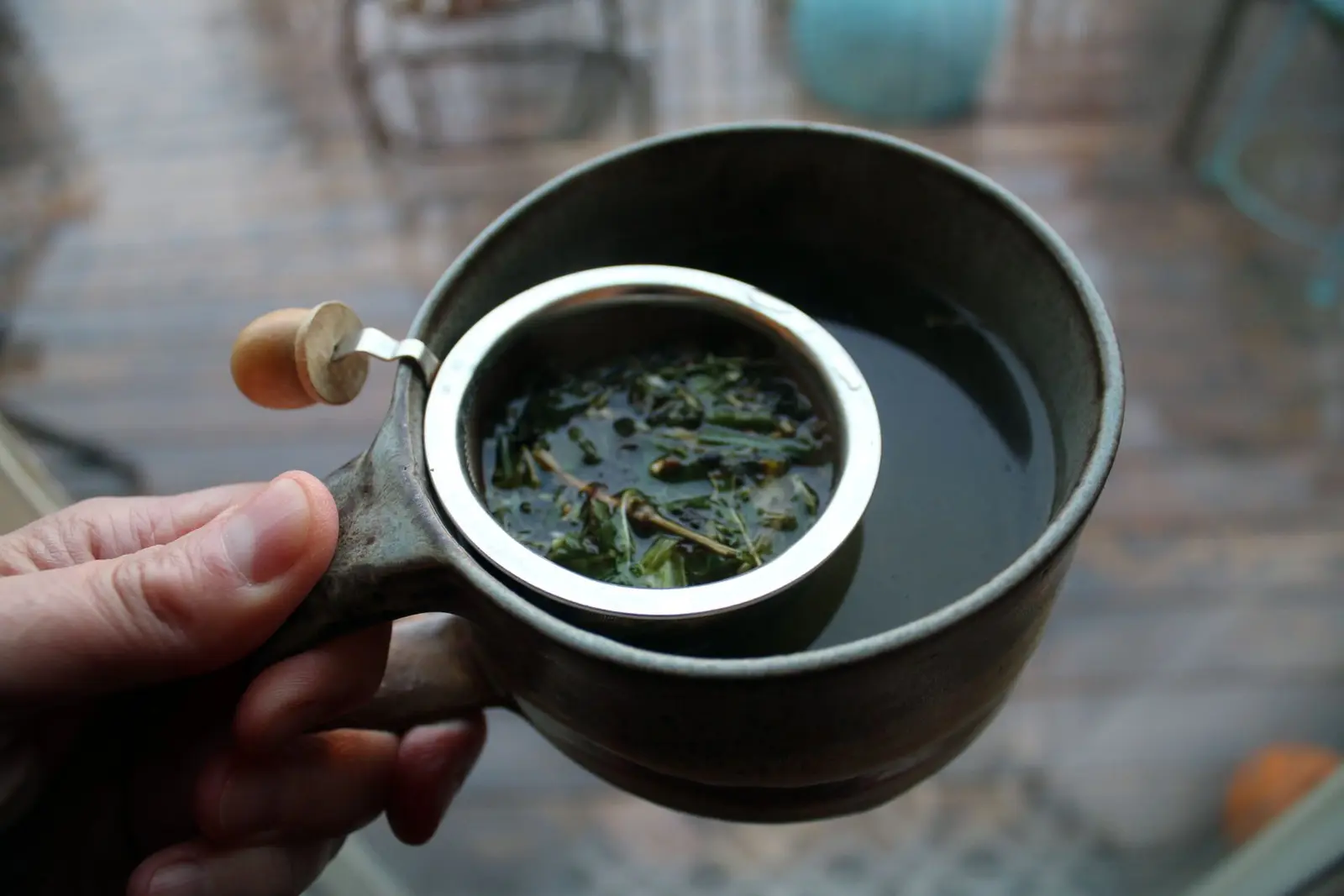
| Basket infuser | A mesh basket sits in a mug or pot | Roomy, easy to lift out, easy to clean | Needs a mug wide enough to hold it | Everyday mug tea |
| Tea ball or mesh ball | A small hinged sphere | Cheap, compact | Cramped; leaves cannot fully expand | Small amounts, fine teas |
| Spoon or tong infuser | A mesh scoop with a handle | Easy to dip | Small capacity | Single cups, quick steeping |
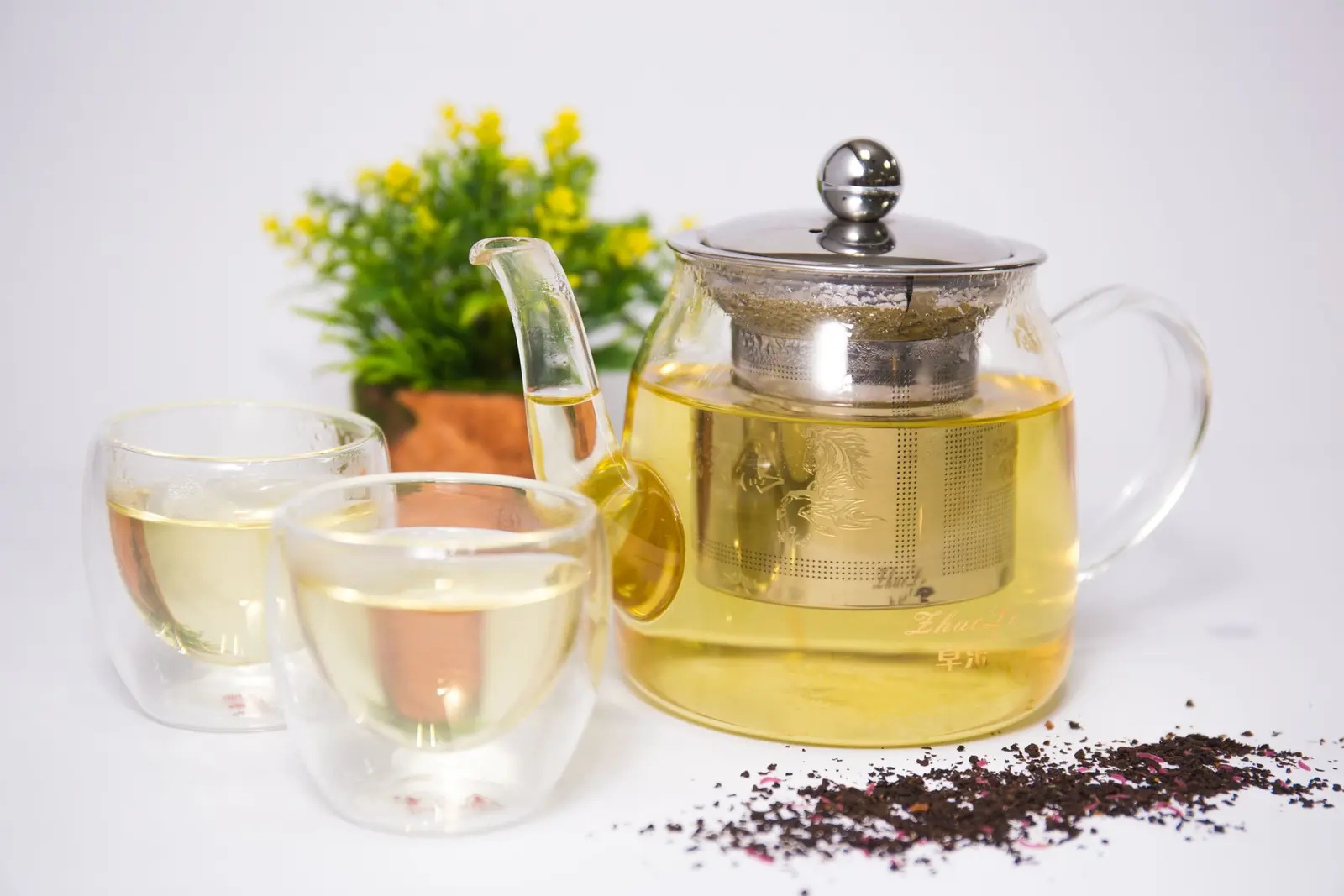
| Teapot with built-in filter | A teapot with a removable mesh basket | Excellent room for leaves, serves several | Larger, more to clean | Pots and sharing |
| Glass or French press | Plunger pushes leaves down | Simple, good for large batches | Fine particles may pass; must press promptly | Large batches, iced tea |
| Mug with lid and infuser | A set that includes both | Convenient at a desk | Sizes vary | Office or home |
| Travel tumbler with infuser | Bottle with a mesh insert | Portable | Over-steeping if you leave leaves in | Commuting |
| Disposable filter bags | Paper or fabric bags you fill | Fine mesh, cheap, no cleanup | Ongoing cost and waste | Travel, fine teas |
| Reusable cloth bags | Fabric pouches | Eco-friendly | Need washing and drying | Home use |
Materials
Stainless steel
A popular, durable material. It does not hold flavors or odors, resists breakage and often goes in the dishwasher. Look for fine mesh and secure seams.
Silicone
Flexible and heat-resistant, silicone infusers can be fun and easy to clean. Choose food-grade silicone. The scent can linger in some low-quality products.
Glass and ceramic
These materials do not hold odors and let you watch the leaves. Glass teapots with built-in filters are visually appealing. They can be breakable.
Nylon, fabric and paper
Fine filters hold even small leaf pieces and are cheap. Disposable options create waste.
Plastic
Light and cheap, but some people prefer to avoid plastic with hot water. Look for materials labeled food-safe and heat-safe.
What to look for
Mesh fineness
Choose a mesh that fits your tea. Large leaves like oolong can use a coarser mesh. Fine broken leaf, matcha-like powders, and many herbal blends need a very fine mesh. If you see leaf particles in the cup, upgrade to a finer filter or use a paper filter.
Size
Bigger usually means better tea. If the infuser is less than a third of the cup size, it may be too small. For a standard mug, choose a basket infuser that is about 2 to 3 inches wide, depending on the mug opening.
Fit
Check that the infuser fits your mug or pot. A lid or rim should rest securely.
Ease of cleaning
Look for smooth, seamless designs. Models with hinges and tiny crevices can trap leaves. Dishwasher-safe is convenient.
Durability
Check for sturdy handles, secure lids and quality welds. A good infuser can last for years.
Heat safety
Handles should stay cool enough to touch or have insulated grips.
Which infuser for which tea?
| Tea | Good infuser choices |
|---|---|
| Whole-leaf oolong, white and green | Large basket, teapot filter, gaiwan |
| Broken-leaf black tea and chai blends | Fine basket or paper filter |
| Herbal blends (flowers, herbs, fruit) | Large basket or French press |
| Rolled pearls (jasmine pearls) | Glass teapot or open basket to watch them unfurl |
| Powders (matcha) | Not an infuser; whisk instead |
For pearl-style jasmine teas, see jasmine tea vs green tea. For powder, see how to make a matcha latte.
How to use an infuser well
- Measure the tea. Use about 1 teaspoon per 8 oz as a start. See how much tea per cup.
- Fill the infuser no more than about half full, so leaves can expand.
- Add water at the right temperature. Our water temperature for green tea guide has details, and a good electric kettle makes it easy.
- Steep for the recommended time and then lift out the infuser. Do not leave it sitting.
- Rinse the infuser right after use.
Cleaning and care
- Rinse immediately to avoid stains and stuck leaves.
- Use warm water and mild soap. A small brush helps with mesh.
- Remove stains by soaking in a paste or solution of baking soda and water. Rinse thoroughly.
- Avoid abrasives that scratch stainless steel or glass.
- Dry completely before storing, to prevent odors and mold.
- Replace if the mesh is torn or bent.
Alternatives to an infuser
- Teapot with a strainer: pour tea through a strainer over your cup.
- Gaiwan: a lidded bowl used in traditional Chinese brewing.
- French press: works well for large batches and cold brew. See how to make iced tea.
- Cold brew pitcher with a filter: good for refrigerator tea.
- Reusable or disposable tea bags that you fill yourself.
Common mistakes
| Mistake | Better approach |
|---|---|
| Overfilling the infuser | Fill about halfway |
| Choosing a tiny ball for whole-leaf tea | Use a larger basket |
| Leaving the infuser in too long | Remove when time is up |
| Skipping cleaning | Rinse right away |
| Buying mesh that is too coarse | Pick finer mesh for broken leaf and herbs |
Quick buying checklist
- Large enough for leaves to expand
- Fits your mug, teapot or bottle
- Fine enough mesh for your tea
- Safe, durable materials
- Easy to clean
- Comfortable to handle
Storing your tea gear and your tea
Keep infusers dry and clean. Store tea itself in airtight, opaque containers; see how to store loose leaf tea. If you wonder whether loose tea is worth the extra step, read loose leaf tea vs tea bags.
Matching an infuser to your daily routine
At your desk, a mug with a lid and a basket infuser is the easiest setup. At home, a teapot with a built-in filter makes sense for sharing. For travel, a bottle with a fine mesh insert, or a handful of empty paper filters, keeps things simple. For large batches of iced tea, a big pitcher with a removable infuser tube or a French press is useful. For cold brew, a lidded jar with a fine mesh insert works well. If you drink several different kinds of tea, you may use more than one infuser, and that is fine.
Troubleshooting infuser problems
| Problem | Likely cause | Fix |
|---|---|---|
| Leaves escape into the cup | Mesh too coarse | Use a finer mesh or a paper filter |
| Tea tastes weak | Infuser too small or overfilled | Use a larger infuser and fill about halfway |
| Infuser stains | Tannins build up | Soak in baking soda solution |
| Infuser is hard to clean | Seams and hinges trap leaves | Choose a seamless basket |
| Infuser does not fit mug | Wrong size | Measure your mug opening before buying |
Care for the long term
A good stainless-steel infuser can last for years if you rinse it right after use and clean it regularly. Do not use steel wool, which scratches the mesh. If your infuser gets stained or smelly, soak it in hot water with baking soda, then rinse well. Replace silicone or plastic parts that crack or discolor. Keep it dry between uses, and store it where air can circulate. For more on the brewing process itself, read how to brew loose leaf tea, and if you are choosing a kettle, see the best electric kettle for tea.
Summary
Choose a roomy, fine-mesh infuser made from durable, easy-to-clean material, and match it to your tea and vessel. For more gear advice, explore the Tea Gear hub and our complete guide to tea.
Frequently Asked Questions
What is the best type of tea infuser?
For most people, a basket-style infuser or a teapot with a removable filter is best, because leaves have space to unfurl. Small tea balls are convenient but can restrict the leaves and give weaker, uneven tea.
What is the best material for a tea infuser?
Stainless steel is popular because it is durable, does not retain flavor and is dishwasher friendly. Silicone is flexible and heat-safe, glass and ceramic do not hold odors, and fine nylon or paper filters are cheap and disposable.
Are tea ball infusers bad?
Not bad, but limited. Small balls can cramp leaves and slow extraction. They work for fine, quick-brewing teas or small amounts but are not ideal for large, whole-leaf teas.
How do I clean a tea infuser?
Empty and rinse it right after use. Wash with warm, soapy water and a small brush, and soak stained mesh in a mix of baking soda and water if needed. Dry fully before storing.
Do I need an infuser at all?
No. You can steep leaves directly in a mug or pot and pour through a strainer, or use a French press. An infuser is a convenience that makes removing leaves easier.
Want the bigger picture? Read our complete guide to tea or explore more in Tea Gear.