Disclosure: ChayStore may earn a commission when you buy through links on this page, at no extra cost to you. Our affiliate disclosure explains how this works.
Key takeaways
- Choose a teapot with a roomy filter or strainer so loose leaves can expand.
- Ceramic and porcelain are neutral and versatile; glass shows the leaves; cast iron holds heat; unglazed clay is best kept for one kind of tea.
- Match the size to how many cups you pour, and make sure the lid fits and the spout pours cleanly.
- Do not judge by looks alone: check the filter, handle, lid and ease of cleaning.
The best teapot for loose leaf tea is one with a roomy removable filter, a material that suits the teas you drink, a size that matches your usual number of cups, a lid that fits and a spout that pours cleanly. Ceramic and porcelain are the most versatile choices, glass shows off the leaves, cast iron keeps tea hot, and unglazed clay is a specialist choice. This guide explains what to look for and how to use a teapot well.
We do not rank specific models, because we have not tested individual teapots, and designs and prices change. Use this as a buyer’s checklist, and read independent reviews before you buy.
Affiliate note: if we add product links in the future, they will be marked clearly.
Why a teapot at all?
A teapot gives loose leaf tea space and keeps heat in while it steeps. It also makes serving easier for more than one person, since you pour all the tea at once and avoid over-steeping. If you mostly drink one cup at a time, a mug with an infuser may be enough; see our guide to the best tea infusers. For everything else about the method, read how to brew loose leaf tea.
Teapot materials compared
| Material | Pros | Cons | Good for |
|---|---|---|---|
| Glazed ceramic or porcelain | Neutral flavor, easy to clean, many designs, holds heat reasonably | Can chip or crack, heavier than glass | Everyday brewing of any tea |
| Borosilicate glass | See the leaves, no flavor retention, easy to clean | Loses heat faster, fragile | Flowering teas, pearls, delicate greens and whites |
| Cast iron (enameled interior) | Excellent heat retention, durable | Heavy; usually for serving, not heating | Black tea and herbal tea at the table |
| Unglazed clay (such as Yixing) | Traditional for gongfu brewing, said to season with use | Absorbs flavors; best dedicated to one tea type; needs special care | Dedicated oolong or pu-erh brewing |
| Stainless steel | Durable, light, insulated versions available | Can feel less refined; some people notice a metallic taste | Travel and everyday use |
| Silicone or plastic parts | Light and unbreakable | Lower-end feel; check heat rating | Filters and lids, travel |
Ceramic and porcelain
Glazed ceramic is the all-rounder. It does not absorb flavors, so you can brew different teas in the same pot after rinsing. Porcelain is a fine-grained ceramic that is often thin and elegant.
Glass
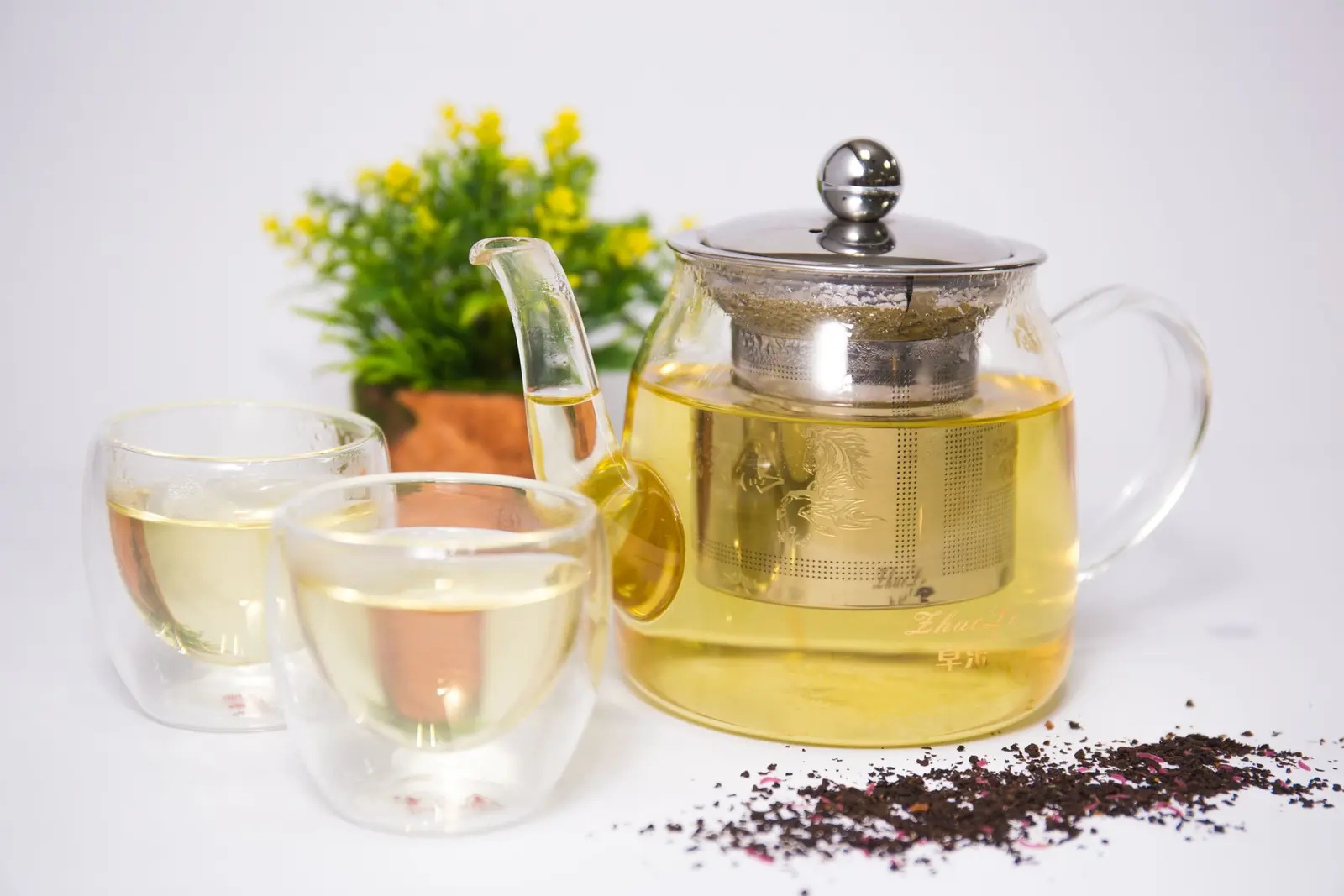
Heat-resistant glass is lovely for watching the leaves unfurl, especially jasmine pearls and flowering teas. See jasmine tea vs green tea for pearl-style teas. Choose borosilicate glass for better resistance to thermal shock.
Cast iron
Cast iron teapots stay hot for a long time. Many are enamel-lined and intended for serving, not heating on a stove. Follow the manufacturer’s directions. They are heavy, which some people love and others do not.
Unglazed clay
Yixing and similar unglazed teapots are used in traditional Chinese gongfu brewing. The clay is porous, so it absorbs oils and flavors over time. Tea enthusiasts often dedicate one pot to one kind of tea. If you want to explore, buy from a reputable seller and read care instructions.
Features to check
Size
A rough guide is about 8 oz (240 ml) per cup:
| Number of cups | Teapot size |
|---|---|
| 1 | 8–12 oz |
| 2 | 16–20 oz |
| 4 | 32–36 oz |
| 6 or more | 40 oz and up |
If you brew gongfu style, you will want a much smaller pot, often 4 to 8 oz, because you use lots of leaf and many short infusions.
Filter or infuser
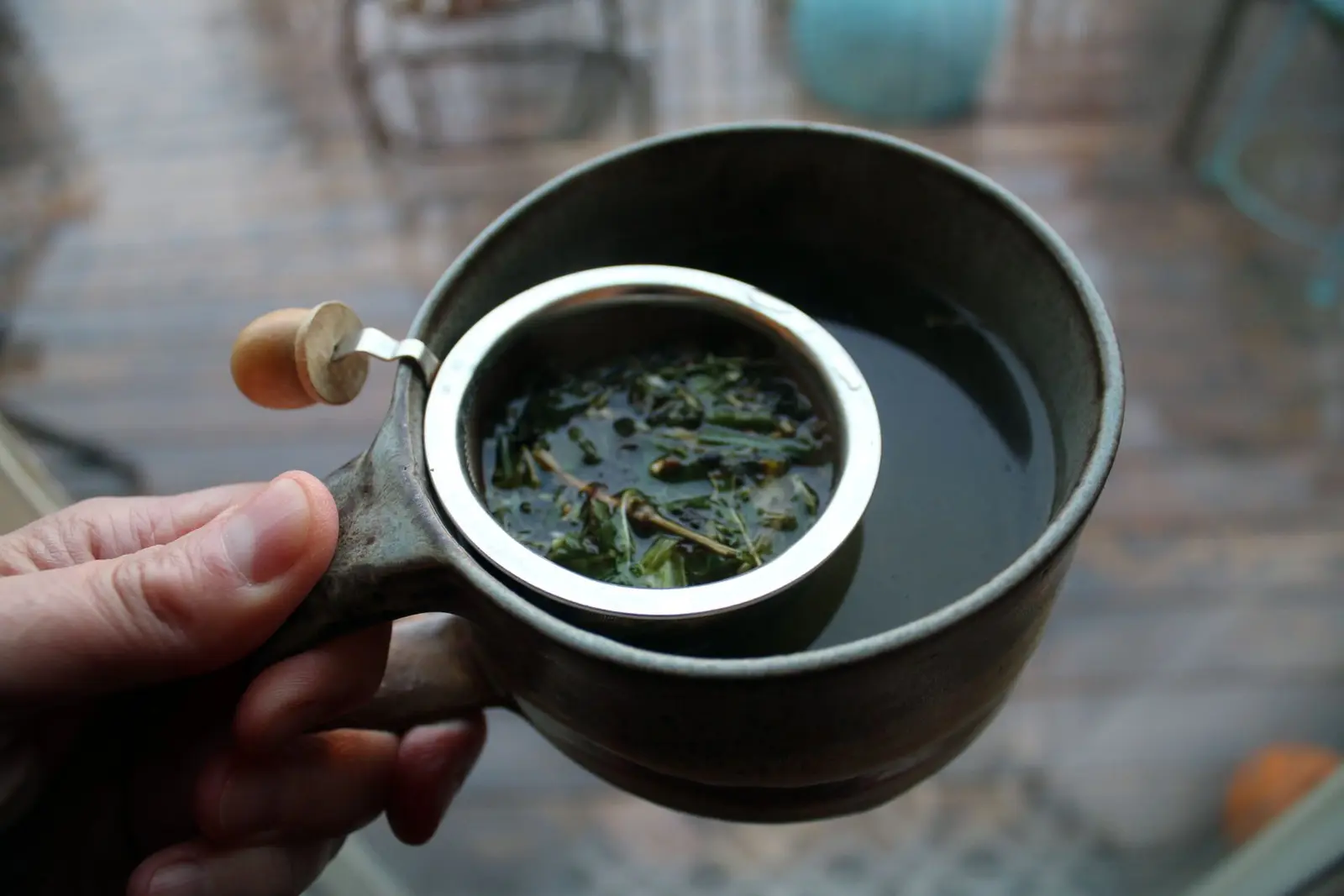
A filter basket should be large and have fine, even holes. Basket height and width matter: leaves need space to expand. A removable basket makes it easy to stop the steeping and to clean the pot. If the pot has an integrated spout filter instead, check that fine leaf particles will not clog it.
Lid
The lid should sit securely and not slide off when you pour. A small steam hole can help prevent dripping, but some people prefer a tight lid. Check that you can remove it easily with a hot pot.
Spout and pouring
A well-designed spout pours cleanly without dribbling. If you can, test it. Reviews often mention dripping.
Handle
The handle should be comfortable and stay cool enough to hold. A handle that is too small or placed awkwardly makes a full pot hard to manage.
Weight and balance
A pot should be steady when full. Very heavy pots tire the wrist, and very light ones can tip.
Heat compatibility
Check whether the pot is safe for the stove, microwave or only for pouring heated water. Do not heat a pot directly on a burner unless it is made for that.
Ease of cleaning
Smooth glazed interiors are the easiest. Look for dishwasher-safe claims if that matters to you, though hand washing is gentler.
Insulation and tea cozies
If you want your tea to stay warm for a long time, a tea cozy (a fabric cover) or a double-walled pot helps. Remember that tea left sitting on the leaves will over-steep, so strain or remove the filter when steeping is done.
How to use a teapot properly
- Warm the pot. Swirl a little hot water inside, then pour it out. A warm pot keeps the brewing temperature stable.
- Measure the tea. Use about 1 teaspoon per 8 oz plus a little extra if the pot is large. See how much tea per cup.
- Use the right water temperature. A kettle with temperature control helps; see our guide to the best electric kettle for tea, and read water temperature for green tea for delicate teas.
- Steep with the lid on.
- Remove the leaves or pour all the tea at once so it does not become bitter.
- Rinse promptly after use.
Care and cleaning
- Glazed ceramic and glass: rinse after each use and wash with mild soap. Remove tea stains with a paste of baking soda and water. Dry fully.
- Cast iron with enamel: rinse and dry immediately to avoid rust on any exposed iron, and do not leave water inside.
- Unglazed clay: rinse with hot water only, no soap, and let it air dry. Dedicate each pot to one type of tea.
- Filters: use a small brush to clean the mesh.
- Storage: store with the lid off or ajar so air circulates and odors do not build up.
Common mistakes
| Mistake | Better approach |
|---|---|
| Buying by looks alone | Check filter, lid and spout |
| Choosing a pot too large for your usual tea | Match size to cups |
| Leaving leaves in the pot | Strain or lift the filter |
| Using soap on unglazed clay | Rinse only |
| Putting a serving-only pot on the stove | Heat water in a kettle |
| Mixing strongly flavored teas in one clay pot | Dedicate it to one tea |
Alternatives to a teapot
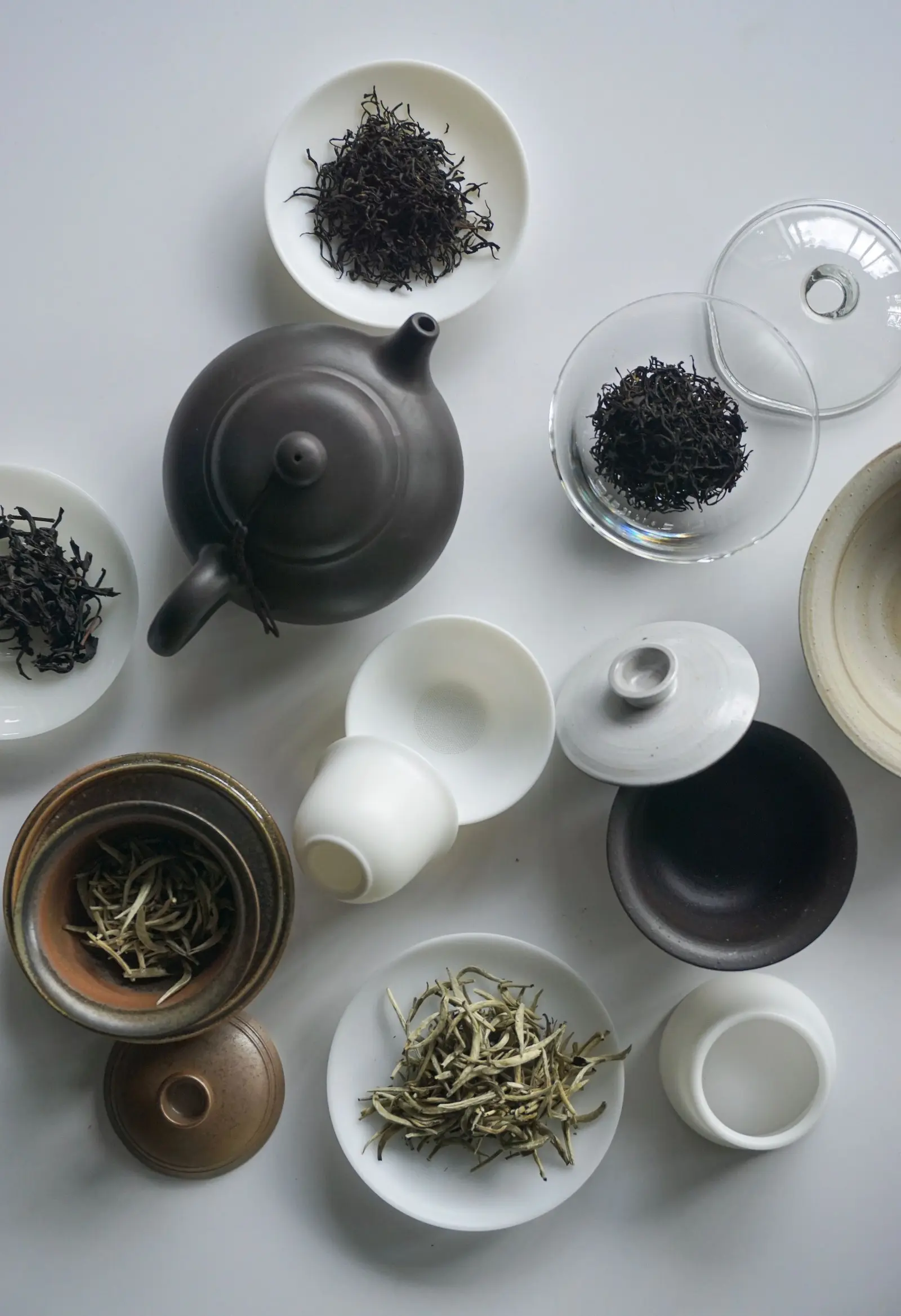
If a teapot does not suit you, a French press, a gaiwan (a lidded bowl) or a mug with an infuser also works. A kettle with a built-in infuser basket exists, though it limits temperature control. For iced tea in large batches, see how to make iced tea.
Summary
Pick a teapot by its filter, material, size, lid and spout, not only its look. Glazed ceramic is a safe all-purpose choice, glass is great for watching leaves, and cast iron or clay suits specific uses. Care for it well and it will last for years. For more gear advice, explore the Tea Gear hub and our complete guide to tea.
Frequently Asked Questions
What is the best material for a loose leaf teapot?
There is no single best material. Glazed ceramic and porcelain are neutral, easy to clean and good for all teas. Glass lets you watch the leaves. Cast iron holds heat well. Unglazed clay such as Yixing is traditionally reserved for one type of tea because it absorbs flavor.
How big should my teapot be?
A rough guide is about 8 oz (240 ml) per cup you want to serve. A 16 oz pot serves two, a 32 oz pot serves four. If you usually drink alone, a small pot or a mug with an infuser may suit you better.
Do I need a teapot with a built-in infuser?
It is very convenient. A removable filter basket lets you lift the leaves out when steeping is done. Without one you can pour through a separate strainer.
Can I put a cast iron teapot on the stove?
Only if it is designed for it. Many cast iron teapots (tetsubin) are decorative or only for serving hot water. Cast iron teapots lined with enamel inside are generally not meant for direct heat. Check the manufacturer's instructions.
How do I clean a teapot?
Rinse with hot water right after use, wash gently with mild soap unless it is unglazed clay (rinse only), and dry completely. For stains in glazed pots, soak with baking soda and warm water.
Want the bigger picture? Read our complete guide to tea or explore more in Tea Gear.