Disclosure: ChayStore may earn a commission when you buy through links on this page, at no extra cost to you. Our affiliate disclosure explains how this works.
Key takeaways
- Rather than chasing a single best brand, choose the format first: tea bags, loose leaf blends, concentrate or powder.
- Read the ingredients: real black tea and whole spices point to a better chai than a long list of flavorings and sweeteners.
- Strength of the tea base and the type of milk you use change the result as much as the brand.
- Compare price per serving and added sugar, and buy small first.
There is no single best chai brand, because chai comes in different formats and people want different things from it. A better approach is to choose the format that suits your routine (tea bags, loose leaf blends, concentrate or powder), then judge a product by its ingredients: a robust black tea base, recognizable whole spices, little added sugar and a recent packing date. This guide shows you exactly what to check.
We do not rank individual brands here, because we have not tested products ourselves and prices and recipes change. Instead you will find a practical checklist you can apply to any chai on a shelf or website.
Affiliate note: if we add product links in the future, they will be marked clearly and recommendations will follow our editorial policy.
First, know what chai is
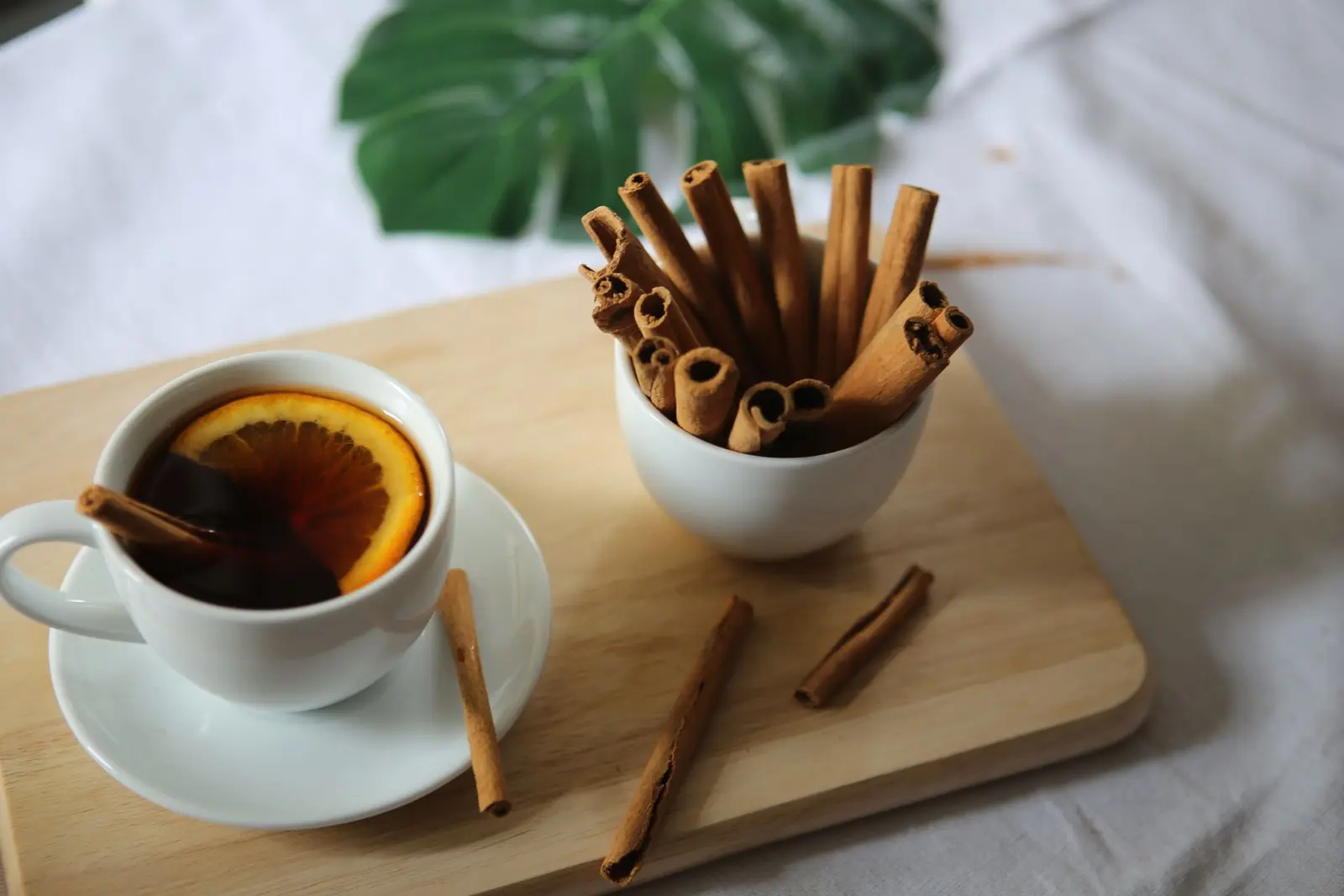
“Chai” means “tea” in many languages, and in English it usually refers to masala chai: black tea simmered with milk and spices such as cardamom, cinnamon, ginger, cloves and black pepper. A chai latte is a café drink made from concentrate or syrup and steamed milk. Read the difference in masala chai vs chai latte. Different products suit these two styles, so decide which one you want.
Chai formats compared
| Format | How you use it | Pros | Watch out for |
|---|---|---|---|
| Tea bags | Steep or simmer with milk | Convenient, consistent | Fine tea can be harsh; spice may be weak |
| Loose leaf blend | Simmer with water and milk | Fuller aroma, adjustable strength | Needs a strainer; quality varies |
| Whole spice and tea separately | Make your own blend | Total control, freshest flavor | More effort |
| Concentrate (liquid) | Mix with hot or cold milk | Fast, café-style | Often sweetened; may contain preservatives |
| Powdered mix | Stir into hot water or milk | Shelf-stable, easy | Frequently very sweet; can taste artificial |
| Syrup | Add to milk | Very sweet and quick | Mostly sugar, little tea |
If you want to make it from scratch, our chai recipe uses ingredients you can buy at most grocery stores.
What to check on the label
1. The tea base
Most chai uses black tea. Assam is a classic choice because it is strong and malty and holds up to milk and spice; see Assam vs Darjeeling tea. A blend that lists “black tea” and ideally names the type or region is more informative than one that lists only “natural flavors.”
2. The spices
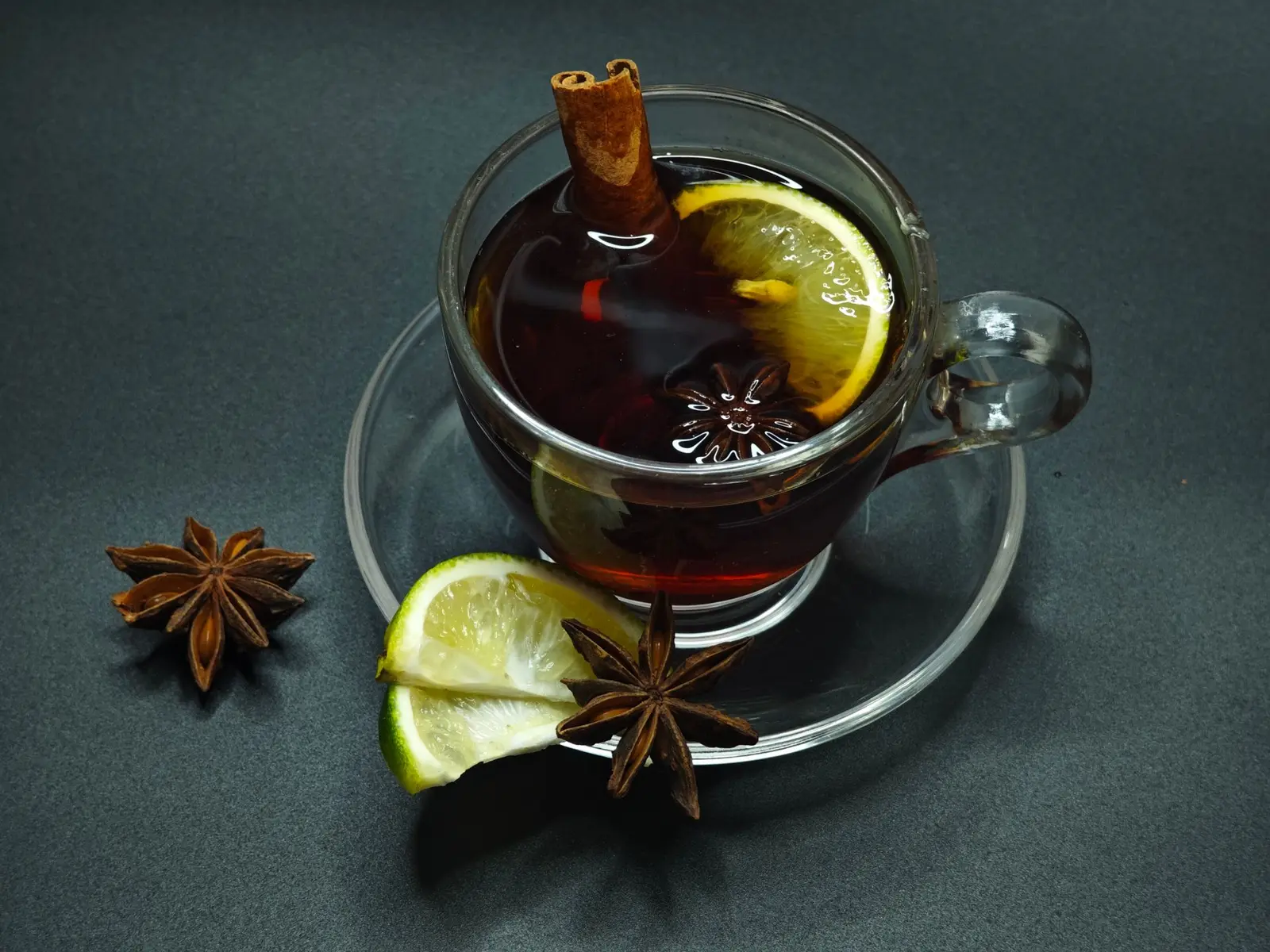
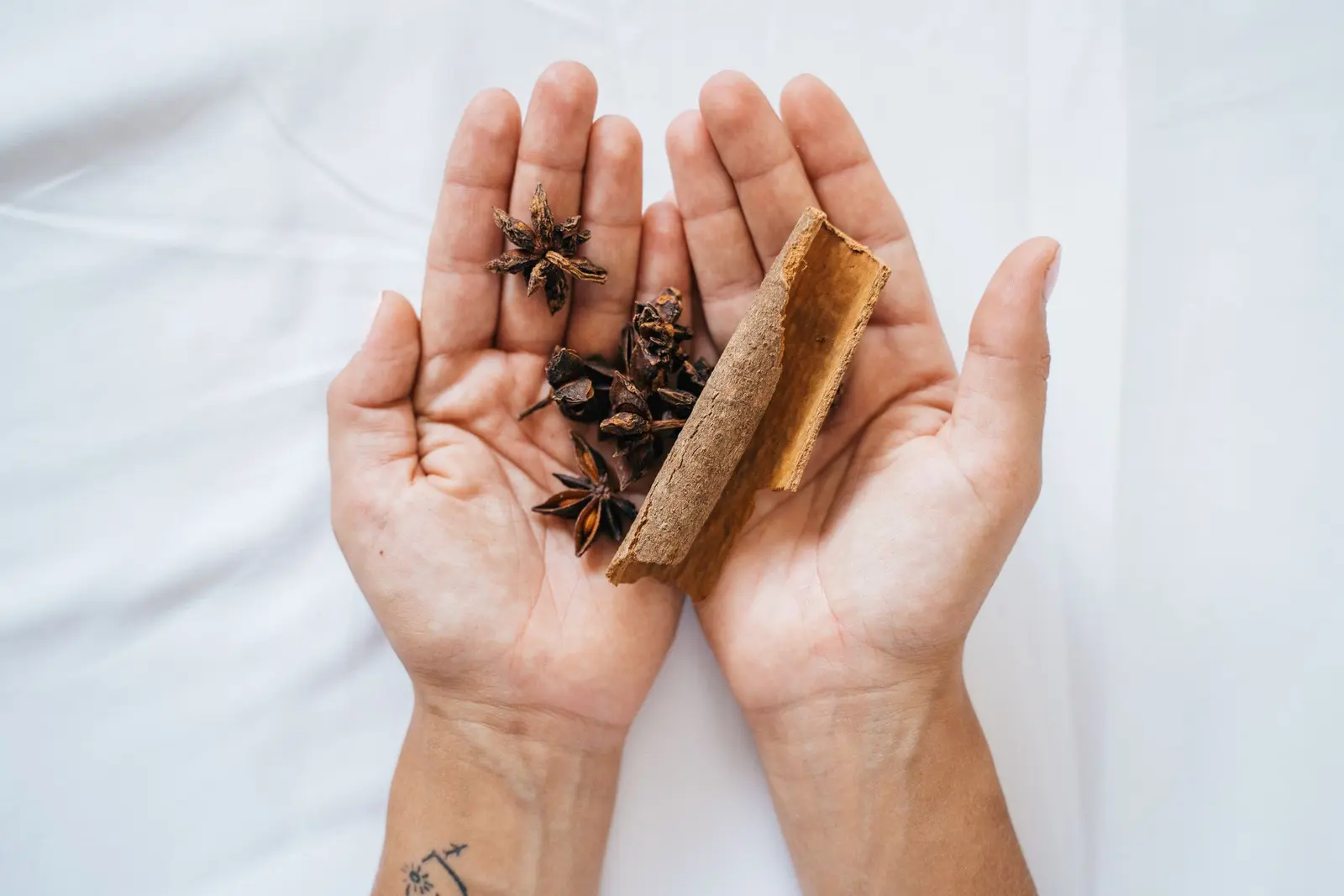
Good chai lists the spices by name: cardamom, cinnamon, ginger, cloves, black pepper, and sometimes fennel, star anise or nutmeg. Whole or coarsely cracked pieces generally smell fresher than fine dust. If the list says only “natural spice flavor,” it may taste flatter.
3. Sugar and sweeteners
Many concentrates, powders and syrups contain a lot of sugar or other sweeteners, sometimes as the first ingredient. Check the nutrition panel for added sugar per serving and the serving size, then compare products on the same basis. If you prefer to control sweetness, choose an unsweetened tea blend and add your own.
4. Milk and dairy ingredients
Some powdered mixes contain milk solids or non-dairy creamers. If you avoid dairy or have allergies, read the allergen statement.
5. Caffeine
Black tea chai contains caffeine. If you want to avoid it, look for rooibos chai or decaf options and read the ingredients. See our caffeine-free tea list.
6. Freshness
Spices fade faster than tea. Look for a packing date or best-by date and buy small packages first. Store chai airtight and away from light and heat, using the guidance in how to store loose leaf tea.
7. Price per serving
Divide the price by the number of servings and compare across formats. Loose leaf blends and DIY spice blends are often economical per cup, while concentrates and powders can look cheap per package but cost more per serving once you account for dilution.
8. Certifications and claims
Labels such as organic or fair-trade certifications can matter to you, but they tell you about farming or labor standards, not taste. Be cautious about vague claims such as “authentic” or “premium.” Look for details such as origin of the tea and a clear ingredient list.
A simple tasting method for comparing chai
If you want to find your favorite, taste two or three chais side by side:
- Brew each the same way, with the same amount of tea, water and milk.
- Taste plain first, then with your usual sweetener.
- Note the strength of the tea, the balance of spices (which spice stands out?), the sweetness and the finish.
- Write a few words for each, and choose the one you would want every day.
You may discover that you prefer a gingery chai over a cardamom-forward one, or a tea-strong blend over a spice-strong one.
How to make any chai taste better
- Simmer instead of steeping. Simmering the blend with milk for 3 to 5 minutes develops flavor much more than steeping quickly.
- Use whole milk or a creamy oat milk for body.
- Add fresh ginger or a freshly crushed cardamom pod.
- Adjust the tea amount before adding more sugar. See how much tea per cup.
- Use fresh water. Tea tastes better with fresh, cold water.
- Strain well to avoid gritty spice bits.
Chai for cold drinks
Chai works well iced. Brew double strength, strain, chill, and pour over ice with cold milk. The method follows the one in our guide to how to make iced tea. Concentrates are convenient for iced chai lattes, but diluting them correctly matters because they are strong and sweet.
Common mistakes when buying chai
| Mistake | Better approach |
|---|---|
| Buying a big package of an unknown blend | Start with a small size |
| Judging only by the front of the box | Read the ingredients and nutrition panel |
| Assuming “chai latte mix” is tea | Check whether it contains real tea and how much sugar |
| Ignoring the milk | Test with the milk you actually use |
| Storing it near the stove | Keep it cool, dark and airtight |
Chai for different diets and needs
Chai can be adapted to many diets. For a dairy-free chai, brew a strong spiced tea and add oat, soy or almond milk, remembering that some plant milks froth or curdle differently with heat. For lower sugar, buy unsweetened loose blends and add a small amount of honey or maple syrup yourself, or choose products that list added sugar clearly. For lower caffeine, look for decaf black tea chai or rooibos chai. For gluten or allergen concerns, read the label carefully, since some powdered mixes include other ingredients and are processed in shared facilities. If you are pregnant or have a health condition, check with a healthcare professional about caffeine and spices.
Buying chai online or in stores
In stores, you can usually check the packaging date and ingredient list in person, which is a real advantage for spiced products. Online, look for sellers that publish a full ingredient list, packing dates, and clear return policies, and read reviews with a critical eye. Be cautious about products with exaggerated health claims, and compare the price per serving rather than the price per package. Buy the smallest size first, because spices lose aroma faster than the tea itself, and keep what you buy sealed and cool.
Summary
Choose the chai format that suits your routine, then check the ingredients, sugar, freshness and price per serving. A strong black tea base with real spices will taste better than a long list of flavorings. For recipes, comparisons and more, visit the Chai & Black Tea hub and our complete guide to tea.
Frequently Asked Questions
What should I look for in a good chai tea?
Look for a strong black tea base (often Assam), recognizable whole spices such as cardamom, cinnamon, ginger, cloves and black pepper, a recent packing date and a short, clear ingredient list.
Is loose leaf chai better than chai tea bags?
Loose leaf chai often contains whole or coarsely ground spices that give a fuller aroma, and you control the strength. Good tea bags are more convenient. Quality depends on the ingredients, not only the format.
Is chai concentrate as good as brewing chai?
Concentrate is convenient and fast, but many are sweetened and taste sweeter and milder than simmered chai. Check the label for sugar. Making your own concentrate gives you control.
Does chai tea have caffeine?
Most chai is made with black tea, so it contains caffeine, usually less than coffee. Rooibos chai is caffeine-free. Check the ingredients.
How do I make store-bought chai taste stronger?
Use more tea per cup, simmer the blend with milk for a few minutes instead of steeping it briefly, add a freshly crushed cardamom pod or a slice of ginger, and use whole milk for body.
Want the bigger picture? Read our complete guide to tea or explore more in Chai & Black Tea.